


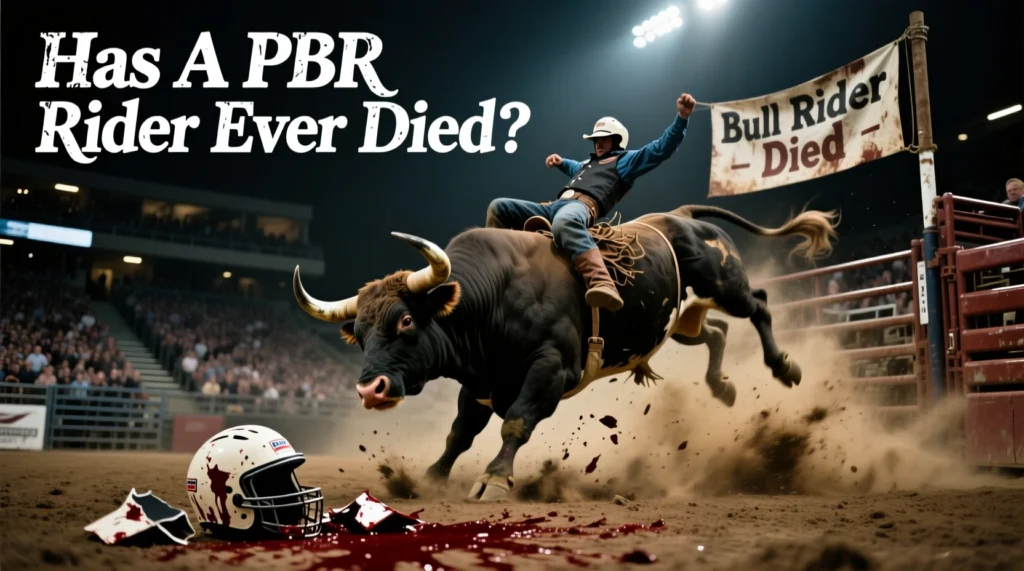
Has A PBR Rider Ever Died? Yes, several professional bull riders associated with the PBR circuit have died from injuries sustained during events. These incidents, while rare, highlight the inherent dangers of the sport.
Table of Contents
Understanding the Risks Behind Professional Bull Riding
Yes, professional bull riders have tragically died in competition. Bull riding is one of the most dangerous sports in the world, with a fatality rate that demands serious attention from athletes, families, and sports organizations. According to injury research, bull riders face an injury rate of 48.2 per 1,000 competitor exposures – nearly 10 times higher than professional football – making fatal incidents an unfortunate reality within the Professional Bull Riders (PBR) and Professional Rodeo Cowboys Association (PRCA) circuits.
History and Tragic Incidents: Notable PBR Deaths
Notable professional bull riders who have died from competition-related injuries include:


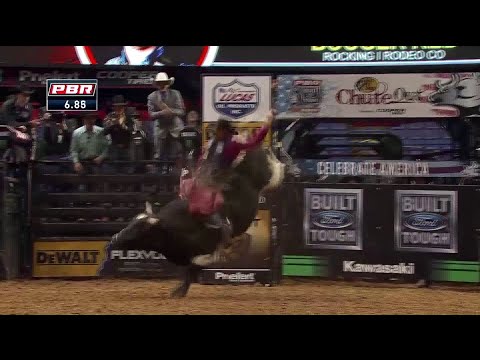
- Mason Lowe, a 25-year-old rider, died in January 2019 when a bull named Hard Times stepped on his chest during a PBR Velocity Tour event in Denver, Colorado. He was wearing a protective vest, but suffered a serious heart injury.


- Amadeo Campos Silva, a 22-year-old Brazilian “rising star” in the PBR, Silva died in August 2021 during a Velocity Tour event in Fresno, California. In a “freak accident,” his reins got caught in his bull’s rope, pulling him under the bull, which then stepped on his chest.

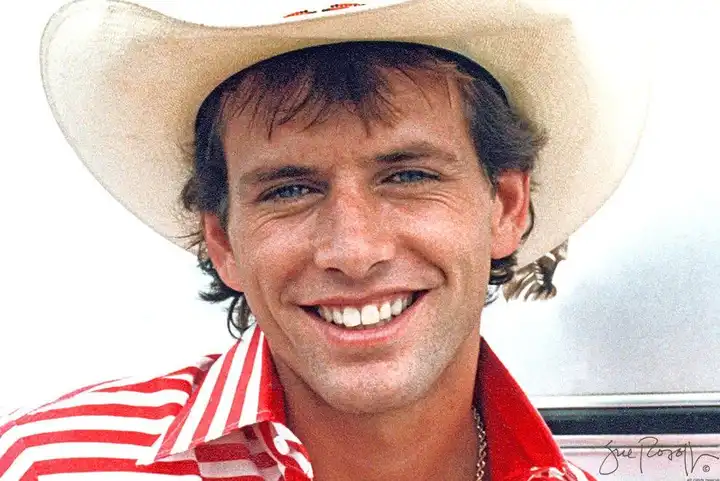
- Lane Frost Although not a PBR rider (the PBR was founded after his death), Frost is the most famous bull rider to die in the arena and is a major figure in the community. He died at the Cheyenne Frontier Days Rodeo in 1989 when a bull gored him in the back with its horn, breaking his ribs and puncturing his heart and lungs. His death was a catalyst for the widespread adoption and requirement of protective vests by all riders.

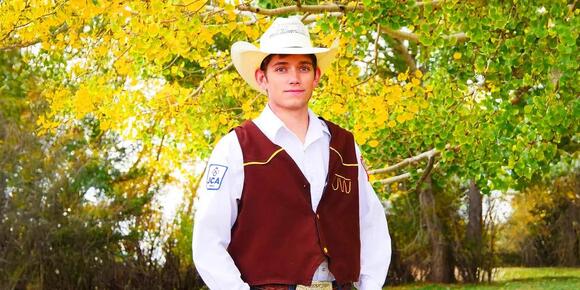
Dylan Grant A 24-year-old professional bull rider, Grant died in April 2025 after being gored by a bull at the Extreme Bulls event in Texas (part of the PRCA circuit, but part of the larger rodeo community).
Bull Riding Techniques and Injury Mechanisms
How Eight-Second Rides Create Catastrophic Injuries
Professional bull riding requires riders to hold the bull’s rope with one hand while holding the other hand in the air for exactly eight seconds. This asymmetrical position creates dangerous biomechanical stresses on the rider’s spine, chest, and internal organs. When the bulls move violently – twisting, body rolling, kicking, and changing direction – riders are exposed to forces up to 12 times their body weight.
Mechanisms of injury commonly associated with fatalities include:
- Direct blunt trauma from goring to the chest or back
- Trampling injuries that cause crushing trauma to the chest and abdomen.
- Massive internal bleeding from torn limbs or severed arteries
- Severe head injuries from impact with the ground or the bull’s body.
Research from trauma centers shows that chest trauma represents the leading cause of catastrophic rodeo injuries, with fatalities occurring when riders lack protective equipment.
Critical Safety Equipment
Modern riders have access to modern protective gear, although its use, especially among adults, has traditionally been a personal choice.
- Protective Vests: Now mandatory in PBR competition, these vests are engineered with high-density foam and ballistic materials like Spectra Shield to absorb the crushing force of a hit or bump. The Mason Lowe tragedy proved that while vests are important, they are not infallible against all impacts.
- Helmets: The single most effective piece of protective gear. Statistics show that helmets reduce the risk of head injury by 67 percent. Today, a growing number of top pros, following the lead of riders like Jess Lockwood, compete wearing full helmets with face guards, helping to shift the culture toward mandatory use.
Medical Protocols and Arena Safety
Beyond gear, structural safety is paramount.
- On-Site Medical Care: Sports medicine teams and ambulances are on hand at premier PBR events to deal with immediate trauma.
- Safety Team: Bullfighters (rodeo jokers) are highly trained athletes whose sole job is to distract the bull and protect the rider after it is taken down, preventing secondary attacks.
- Principle Enforcement: The PBR enforces strict animal welfare and stock handling rules to ensure that bulls are healthy and perform as predicted, contributing to a safe environment for both the animals and the human athletes.
The table below summarizes the common injury types and the corresponding safety measures in place to prevent them.
| Injury Risk & Cause | Modern PBR Safety Solution |
|---|---|
| Head Trauma (From falls or kicks) | ASTM/SEI-Certified Helmets; culture shift toward mandatory use |
| Chest/Crushing Injuries (From being stepped on) | Mandatory Protective Vests with advanced energy-absorbing materials |
| Limb Fractures & Soft Tissue (From high-impact falls | Arena-floor maintenance; techniques taught for safe falling and rolling |
| Secondary Strikes (After initial buck-off) | Professional Bullfighters to divert the bull and protect downed riders |
Expert Insights on Risk and Resilience
Sports medicine professionals who study rodeo highlight the extraordinary forces involved in the sport. Research shows that the average force of a bull’s hind hoof can exceed 106 kilonewtons, far greater than the punch of an Olympic boxer. This gives an idea of the immense physical challenge that riders face.
Despite the risks, the rodeo community is built on personal choice, passion, and resilience. As one stockbroker said after losing a beloved animal athlete, “They’re part of your family. You bond with them.” That passion extends to human competitors as well. Communities are strongly bonded over shared risk, resulting in deep levels of support after a tragedy, as seen with the widespread memorials to Mason Lowe.
Frequently Asked Questions for Has A PBR Rider Ever Died?
How many PBR riders have died?
Since its inception in 1992, there have been very few documented fatalities in PBR-sanctioned competition. Mason Lowe (2019) is the most high-profile case in the premier series. The PBR itself noted that Lowe was the third competitor to die since the organization’s inception.
What is being done to prevent deaths in bull riding?
The PBR continues to enhance safety through mandatory protective vests, promotes helmet use, employs specialized on-site medical teams, and utilizes modern bullfighting techniques. Research into improved equipment and rule changes is ongoing.
Is bull riding the most dangerous sport?
By many metrics, it’s a strong contender. Studies show that bull riding has the highest injury rate per exposure of all rodeo events and many mainstream sports. The combination of a powerful animal, high speed, and concrete-like terrain creates a unique risk profile.
Do riders understand the risks?
Absolutely. Every professional rider competes with a clear understanding of the potential consequences. Their participation is driven by a deep cultural tradition, personal courage, and a love of challenge – a choice they make even when they know the risks.
The spirit of bull riding is defined by the risk of facing immense danger in pursuit of a timeless challenge. The deaths of riders like Mason Lowe and Dylan Grant are heartbreaking chapters that the sport will never forget. Their legacy lives on not only in memory but in the tireless pursuit to make the sport safe, ensuring that every cowboy who nods his head in the throat has the best possible protection in the face of undeniable danger.