


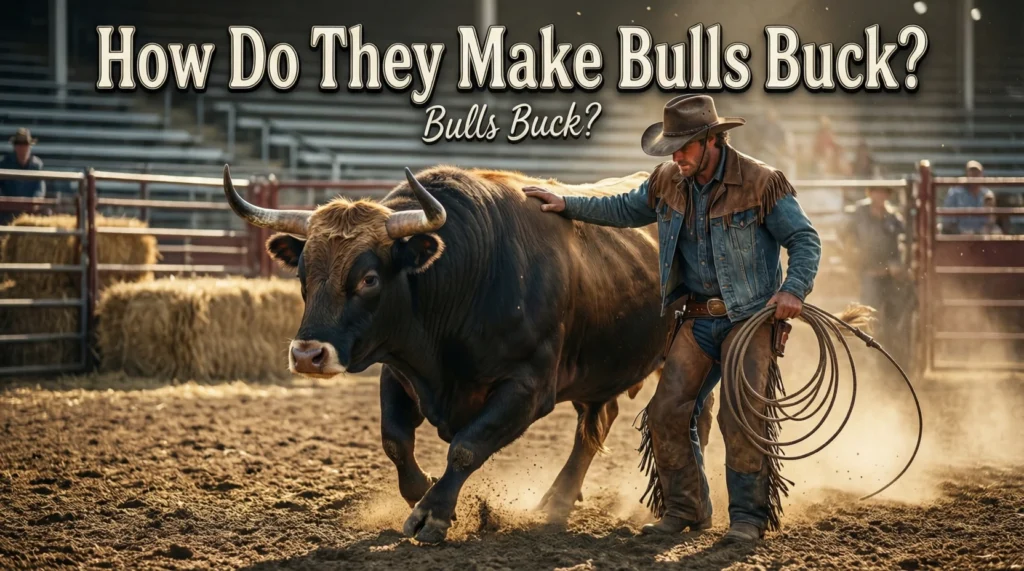
How Do They Make Bulls Buck? Getting a bull to buck involves a combination of nature, specialized equipment, and professional conditioning. Modern rodeo bulls are not just “angry” farm animals. They are highly skilled athletes. Bucking bulls are not typically “made” to buck through abuse, but rather through selective breeding for the instinct, training with dummy weights, and the use of a soft flank strap. They are genetically predisposed to bucking, with many hailing from specialized bloodlines. A comfortable, non-painful flank strap is used to encourage higher kicks.
Table of Contents
The misconception that rodeo bulls are treated cruelly and highlights their training process, Please see the video:

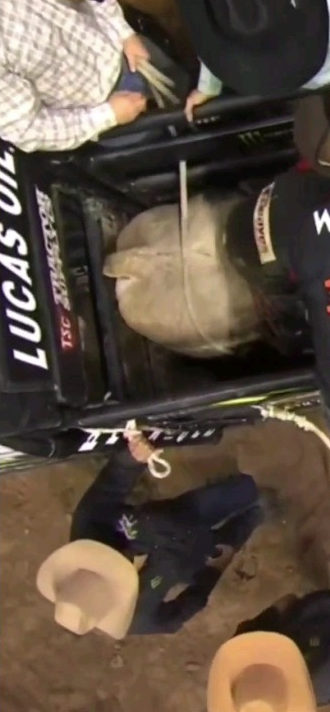
Key Methods Used to Encourage Bucking
The hooey is the climax of a high-speed, multi-step process in tie-down roping. Understanding its role requires seeing it in the context of the entire event:
- Selective breeding: The most important factor is genetics. Elite bucking bulls are bred specifically for their agility and bucking instincts, much like racehorses are bred for speed.
- Flank strap: A soft, adjustable rope – often lined with sheepskin or fleece – is tied loosely around the bull’s back just in front of its hind legs. This strap puts pressure on the bull’s flank area, which triggers its natural instinct to kick its hind legs out to relieve the sensation.
- Rider presence: Bulls naturally react to the weight on their backs as a response to a hunter’s prey. The presence of a rider, rather than their weight alone, serves as a primary stimulus for the bull to begin its bucking routine.
- Conditioning with dummies: Young bulls are often trained using mechanical, remote-controlled “dummies.” This helps them learn to earn effectively and builds their confidence before facing a human rider.
- Breeding and Genetics: Top bucking bulls are bred specifically for sport. They have a natural, innate desire to jump and turn, often doing so in pastures without a rider.
- Training: As calves, they are introduced to training with a “dummy” on their back so they can learn to lose weight.
- Safety and Care: Bucking bulls are considered elite athletes, well-fed, and well-cared for, often with very short, occasional working careers.
Debunking Common Myths
- Genital Contact: A widespread myth is that the strap is tied around the bull’s testicles. Experts and anatomical studies confirm that this is false. The strap is placed around the lower abdomen and does not touch the genitals.
- Pain vs. Irritation: While organizations like PETA argue that the gear causes torture, the professional rodeo industry (including the PBR) maintains that the flank strap acts as a “cue” or mild irritant, similar to a belt or dog lead, and not a pain device.
Modern Bucking Techniques
Stock contractors select aggressive booking bulls from breeds like Brahman crosses, which have been bred for power for decades. In the chute, handlers position the 1,500-2,000 lb bull firmly with the rider, adding a back strap to heighten anticipation. Once the gate opens, the bull explodes forward – his shoulder or hip triggers the clock – using spins, kicks, or “right out of the chute” for maximum challenge. Riders are encouraged and shift for control, but the bull’s raw athleticism drives the action.
Comparing Bucking Stock to Beef Cattle
| Trait | Professional Bucking Bull | Commercial Beef Bull |
|---|---|---|
| Primary Purpose | Athletic performance & breeding | Meat production & herd breeding |
| Genetics | Selectively bred for agility, power, & bucking instinct | Bred for feed efficiency, muscle marbling, & calving ease |
| Temperament | High-aggression, high-energy (“high drop”) | Typically docile; aggression is undesirable |
| Lifespan/Care | Long-lived, high-value athlete with premium care | Managed for optimal growth to market weight |
| Economic Value | Can exceed $500,000 for top genetics | Valued per pound for meat (hundreds to low thousands) |
Original Insights and Case Studies
Legendary bull Bodacious (1988-2000) exemplifies elite genetics: His explosive head butt and tough headman (broken face) and Scott Breeding flip injured icons, earning “world’s most dangerous” status before Hall of Fame induction. Expert Cody Tesch credits reps like Ty Murray for inspiring the profession, emphasizing video study and formal training. A 2022 fatality (Mason Lowe, chest trauma despite vest) highlights the limitations of blunt force – encouraging better gear, according to the Journal of Trauma. Insight: Breeders now favor the “airmail” style (high kicks), increasing scores by 20-30% vs. the average bull.
Are you looking for a breakdown compared to previous legendary Rodeo Riders like How Many Bull Riding Deaths Per Year? & How Many Bull Riders Die A Year?
I can provide a side-by-side comparison of their career earnings and titles.
How Many Bull Riding Deaths Per Year?
or
How Many Bull Riders Die A Year?
Frequently Asked Questions: How Do They Make Bulls Buck?
Do they use electric prods or sharp spurs to make bulls buck?
Electric prods and spurs are used in rodeo, with advocates arguing that they are for signaling and regulatory compliance, while critics describe them as tools to inflict pain and force behavior. While the PBR (Professional Bull Riders) mandates slow spur rolls to avoid injuring the animal, electric “hot shots” (5,000-6,000 volts) are used by handlers to shock animals, especially in injuries.
Do flank straps hurt bulls?
Flank straps used in rodeo do not cause pain or harm to bulls when used properly. They are soft cotton or sheepskin ropes designed to encourage bucking by acting as sensory cues rather than painful restraints. They are placed around the flank (belly), not the genitals, and are usually loose enough to prevent injuries, acting like a tight belt that the bull tries to kick.
Can bulls be trained to buck?
Bulls cannot be trained to buck from the start. Rather, they are specifically bred for their natural desire and athletic ability to buck, which is then enhanced through training. While bucking is natural, young bulls are trained to become accustomed to riders and improve their performance using equipment such as dummy riders and flank straps.
What happens to bulls when they stop bucking?
When bucking bulls retire – typically after a 7 – 8-year career about 90% – 95% enter retirement programs, where they remain in pastures, often breeding to produce the next generation of bucking stock. Elite bulls with strong pedigrees are highly valued for breeding, while others may be kept as pasture pets.
Can any bull be a bucking bull?
No, not every bull can be a competitive bucking bull. While many bulls will buck if upset, elite bucking bulls are specifically bred, trained, and selected for their athleticism, deer appetite, and unique lineage, often from specialized bloodlines. They are considered specialty athletes rather than standard beef cattle.
Making Of A Bucking Bull
The making of a bucking bull is a complex process of selective genetics, natural instincts, and professional animal husbandry. The flank strap is a tool that focuses on that natural energy that opens the chasm at precisely the right moment. Understanding this process reveals rodeo not as a spectacle of forced aggression but as a display of raw, powerful animal athleticism, bred for over a century and performed within a framework of respect and rigorous care. The bull is not the victim of the game. In the arena, he is its reigning, powerful center.