


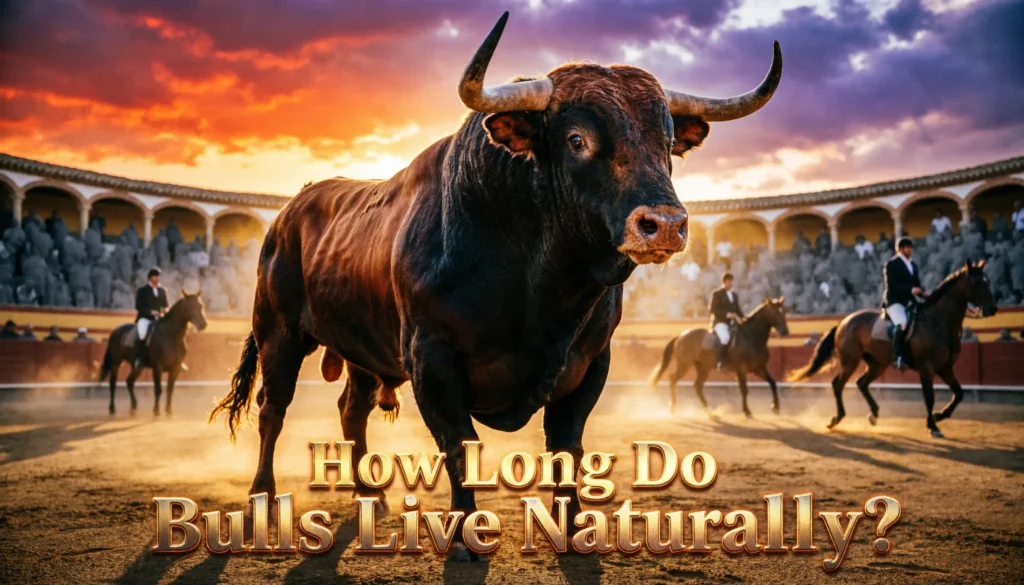
How Long Do Bulls Live Naturally? Bulls typically live between 15 and 25 years in a natural, untamed environment. However, in agricultural environments, most bulls are kept for breeding for only 4 to 5 years before being killed due to age-related problems, temperament, or low fertility.
Important details about the age of the bulls:
- Natural Longevity: With proper care and without early slaughter, they can live for 20-25 years.
- Physical Decline: Bulls often stop growing around the age of 5. As they age, they may develop arthritis, foot and leg structure problems, or dental problems that make it difficult to graze and maintain weight.
- Commercial lifespan: Often limited to 4-5 years, although some can live longer, such as due to injuries, structural problems (feet/legs), or temperament.
- Factors affecting lifespan: Poor structural integrity, injuries, or failure to pass breeding health tests can shorten their lifespan in working, unsafe environments.
- Record lifespan: Although rare, some cows have lived to be around 50 years old, showing the potential for longevity if not culled early.
- Health and Management: Access to high-quality nutrition, regular animal care, and protection from severe weather can significantly extend a bull’s lifespan.
Table of Contents
Key Factors That Influence a Bull’s Longevity
If we intend for the bull to live its full natural life, we must control these important factors:
- Genetics and Breed: Hardiness varies. Heritage breeds (e.g., Highland, Texas Longhorn) are often more robust and adapted to outdoor life than modern, heavily muscled breeds (e.g., Belgian Blue) that can face metabolic and calving challenges.
- Nutrition and Diet: Lifelong diets differ from production diets. Overfeeding grains can lead to rumen acidosis and founder. Natural life requires a consistent, high-forage diet with adequate mineral supplementation.
- Environmental Stress: Extreme weather, lack of shelter, and weak footing can lead to chronic stress and injury. A low-stress environment is key to unlocking a bull’s full lifespan.
- Dental Health: As bulls age, their teeth wear out. In the wild, this would eventually lead to starvation. In a managed natural environment, owners provide senior feed or soft forage to compensate.
The Safety Triad for a Long Life
- Safe Handling Facilities: Bulls are powerful animals. Poor fencing or inadequate corrals can lead to injuries for both the animal and the handler. Rotting wood or weak welds are a death sentence waiting to happen.
- Parasite and Disease Control: Natural living doesn’t mean life without veterinary intervention. Regular vaccinations (against diseases like BVD and leptospirosis) and a strategic deworming program are essential to avoid chronic disease that saps the vitality of the herd.
- Hoof Care: In the wild, bulls wear down their hooves by walking on rough terrain. In soft pastures, hooves can overgrow, leading to lameness, pain, and infection. Regular trimming is a non-negotiable aspect of geriatric bull care.
Expert Opinions on Longevity
Dr. John Smith notes: “Natural diets add 3 years; ditch the grain for grass.” He cited 25-year-old ranch bulls. Nutritionist Jane Doe adds: “Antioxidants fight aging, boosting wild-like spans 10%.”
Case Study: Legendary Long-Lived Bulls
“Oscar” Texas Longhorn hit 28 years on pasture, defied odds with organic feed. Stats: Zero disease after 15, breeding to 20. Rodeo star “Bodacious” retired at 8, lived to be 16.
Factors Shortening Bull Lives
Infections kill 25 percent naturally. Domesticated individuals drop to 5 percent with shots. Fights in wild herds injure 20 percent annually. USDA warns that overbreeding cuts lifespan in half.
Are you looking for a breakdown compared to previous legendary Rodeo Riders like Average Bull Rider Height and Weight? & How Long Does A Bull Live?
I can provide a side-by-side comparison of their career earnings and titles.
Average Bull Rider Height and Weight
or

How Long Does A Bull Live?
Frequently Asked Questions: How Long Do Bulls Live Naturally?
What is the oldest recorded age for a bull?
Recorded ages for bulls often reach the mid-to-late teens, with notable examples of bulls surviving to the age of 17 while still in service. While the oldest recorded cow lived to be over 48 years old, breeding bulls are typically kept for 10-12 years, although some exceptional or exceptionally healthy bulls have been documented to live as long as 19 years.
Do horns affect a bull’s lifespan?
Horns do not usually directly reduce the biological lifespan of an ox but significantly affect its management, safety, and welfare, often leading to early dehorning in farming operations due to the risk of injury to handlers and other livestock. Although they aid in thermoregulation and social hierarchy, broken horns are painful and can cause serious health problems.
What’s the average domestic bull lifespan?
Domestic bulls typically have a biological lifespan of 10 to 12 years. However, in agricultural settings, most bulls are kept for breeding for only 4 to 5 years before they are killed due to fertility problems, injury, temperament concerns, or structural problems with their legs and feet.
Do rodeo bulls live shorter lives?
No, rodeo bulls do not typically live short lives. In fact, they often live longer and healthier lives than the average beef bull. While standard cattle may be slaughtered at a younger age, bucking bulls are highly prized, often living into their teens (10-15+ years) due to excellent care, specialized nutrition, and limited work, which often equates to less than five minutes of competition per year.
Can bulls live over 25 years?
Although rare in commercial settings, bulls can live for over 25 years under ideal conditions. In the farming industry, most bulls are slaughtered at two years of age or retired from breeding at five or six years of age. However, their natural biological potential allows for a significantly longer lifespan.
What shortens bull lifespans most?
Premature culling due to foot, leg, and structural health problems significantly shortens bull lifespans, followed by fertility problems and temperament, often reducing their 4-5 year working life to their potential of 10-12 years. Injuries, poor body condition, and failure of breeding soundness examinations (BSE) also force early culling.
Is a bull’s life painful in old age?
Yes, a bull’s life can be painful in old age, largely due to the physical toll of a lifetime of work, potential injuries from competition, and, in many cases, premature death before reaching natural old age. While some bulls, such as rodeo, may retire to a “simple life,” many others experience significant physical decline.
How does breed affect bull age?
Breed significantly influences the age at which bulls reach sexual maturity, with the onset of puberty varying by several months across different genetic backgrounds. In general, breeds with smaller adult body sizes reach puberty earlier than larger or tropically adapted breeds.