


How Much Do Omak Stampede Tickets Cost? Omak Stampede ticket prices typically start at around $61 for a single event ticket, with an average price of $51-$55 on resale sites. Ticket prices vary by day, event, and seating location, and can range up to $80 or more.
Table of Contents
Omak Stampede Ticket Costs
Ticket prices depend heavily on where they are purchased (for example, official box office vs. secondary market).
| Ticket Type | Price Range |
|---|---|
| General Admission / Starting Prices | $55 to $61 per event |
| Premium Seats | Average $71+ |
| Unlimited Ride Wristbands | $48 (on-site) |
| Discounted Advance Sales | Lower than gate prices |
The best value approach is purchasing discounted advance tickets online before they end on every August 2nd week at Omak Stampede Tickets
Omak Stampede Event Overview: History and Schedule
Historical Significance
The Omak Stampede celebrates its 92nd anniversary in 2026, a tradition that has been a staple of the Pacific Northwest since its inception. The event was created to showcase Western entertainment and Native American traditions, creating a unique cultural blend that continues today.
The controversial “World Famous Suicide Race” was added in 1935 by publicity chairman Claire Pantz as a promotional stunt after other attractions failed to draw large crowds. Despite animal welfare concerns, the race continues as a major attraction, with participants viewing it as a demonstration of horsemanship and spiritual connection.
Event Tickets Detail
The main event of the stampede includes the PRCA Rodeo and the World Famous Suicide Race. Other activities have separate costs:
- Carnival Wristbands: Advance-purchase carnival wristbands for unlimited rides on one day are typically around $35, increasing to $45 or $48 on the day of the event.
- Camping: Dry lot camping is available on a first-come, first-served basis for a fee per night (e.g., $20/night for RVs, $15/night for tents, based on past data).
For the most accurate and current official pricing and availability, it’s best to check the official Omak Stampede Inc. website or authorized ticket vendors like Vivid Seats or TicketSales.com.
Understanding Bull Riding: Rules, Scoring and Safety
The Three Fundamental Rules of Bull Riding
Professional bull riding at the Omak Stampede follows strict regulations governed by professional rodeo organizations:
- 8-Second Ride Requirement: Riders must remain on the ride for 8 seconds from the time the bull’s shoulder or hip gate passes through the air. Historical data shows that the success rate has decreased from 46 percent in 1995 to about 29 percent in 2018, due to special breeding to create stronger, more agile bulls.

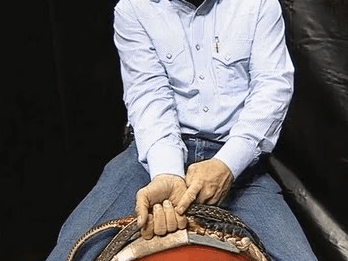
- One-Handed Grip on the Bull Rope: Riders must maintain a one-handed grip on the flat braided rope tied behind the bull’s legs, keeping their free arm elevated and clear of contact. Violations include premature release, grip adjustment, or touching the rope with their free hand.

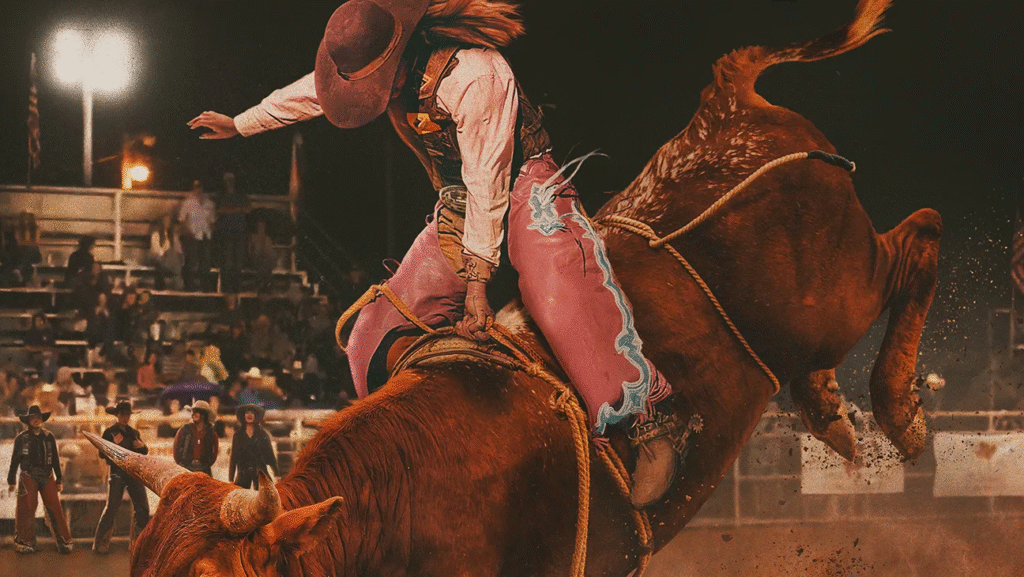
- No Contact with Bull or Rider’s Body: The free arm must remain in the air without slapping the bull’s body, brushing the rider’s legs or torso, or grabbing equipment. Any contact results in immediate disqualification, even if the rider meets the 8-second requirement.
Bull Riding Scoring System
Each eligible rider receives a score out of 100 points, which is divided equally between the rider and the bull:
- Rider Scoring (50 points): Judges evaluate control, rhythm, and technique, especially how the rider uses the legs and hips to absorb the bull’s movement. Style elements such as “pacing” (kicking the bull’s shoulders rhythmically) can earn additional points.
- Bull Scoring (50 points): Based on the animal’s agility, strength, and difficulty, including turns, kicks, and body rolls. A high-ranking bull that performs well can earn points even if the rider fails to meet the 8-second requirement.
Perfect 100-point scores are exceptionally rare, with the only documented one in history being by Wade Leslie in 1991. Modern riders like Jose Vitor Leme have achieved perfection with scores like 97.75 points in 2021.
Safety Protocols and Equipment
Bull riding carries significant injury risks, with statistics showing 32.2-48.2 injuries per 1,000 competitor exposures – the highest rate of any organized sport. Safety measures include:
- Protective headgear: Helmets reduce the risk of head injuries by 67% and facial injuries by 70%. Usage has increased from less than 10% of professional riders a decade ago to 50-60% today.
- Protective vests: Now mandatory in many professional organizations, these Kevlar-lined vests protect the chest and vital organs from impacts.
- Professional bullfighters: These trained professionals (formerly known as rodeo jokers) protect riders when 36.8% of injuries occur.
- Concussion Protocols: The PBR implements sophisticated testing, including computerized balance and cognitive function assessments, to make competitive return decisions against objective criteria.
Expert Insights and Case Studies
Historical Context of Rule Evolution
The 8-second requirement was reduced to 10 seconds in the mid-20th century to increase both safety and spectacle. This change coincided with improvements in bull breeding that produced more athletic and challenging animals, leading to a decline in the success rate of riders despite advances in training techniques.
Medical Perspectives on Safety


Dr. Tandy Freeman, PBR’s medical director, insists that modern safety equipment does not impair performance: “Claims of limited peripheral vision or impaired balance from helmets are unsupported by the evidence.” The generational shift toward safety acceptance began with youth rodeo organizations implementing mandatory helmet requirements, creating a new norm where younger riders feel uncomfortable without protection.
The Judging Perspective
Professional bull riding judges emphasize consistency, safety awareness, and experience in making scoring decisions. They evaluate rides based on control, style, and technical execution, while monitoring for rule violations that could put riders at risk. Emerging technologies such as sensors and video replay are being explored to help judges ensure objective decisions.
Frequently Asked Questions for How Much Do Omak Stampede Tickets Cost?
What is the schedule for the Omak Stampede Upcoming years?
What safety equipment do bull riders use?
Modern riders typically wear protective vests, helmets with face guards, mouth guards, and proper riding clothing without loose elements that could snag.
Exceptional Value For Rodeo Enthusiasts
The Omak Stampede offers exceptional value for rodeo enthusiasts, with ticket prices that make professional bull riding and western entertainment accessible to families. In addition to affordable admission, visitors experience a rich tradition spanning nine decades, including heart-pounding athleticism, cultural events and Pacific Northwest hospitality. As both a sporting event and a cultural experience, the Stampede represents a worthwhile investment for creating lasting summer memories.