


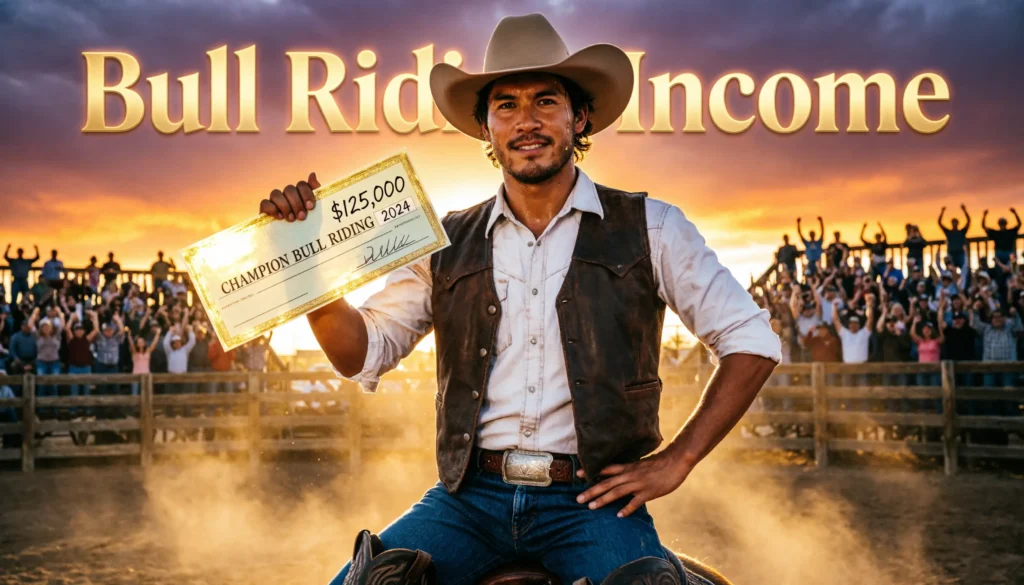
Bull Riding Income, Professional bull riders’ earnings vary widely based on skill and classification, with top-tier PBR riders earning anywhere from $100,000 to over $400,000 per season, while the average annual salary often ranges between $25,000 and $60,000. Elite riders can win millions over their careers, with top earners like Jose Vitor Leme having over $8 million in career winnings.
Table of Contents
Key Earnings Information
- Average income: While some data suggests an average of $37,000–$60,000, many riders earn much less or much more depending on their success.
- Highest earners: In 2024, the top 44 PBR riders earned more than $100,000, and several top riders earned more than $400,000.
- Career earnings: Elite, championship-level riders like J.B. Mauney and Jose Vitor Leme have career earnings of over $7 million and $8 million, respectively.
- Prize structure: The PBR World Champion earns a $1 million bonus, with the winner of the World Finals event receiving $350,000.
- Expenses: Riders must pay for their own travel, entry fees, and insurance, which can significantly reduce net income.
Earnings by Performance Level
- Elite Riders (Top 10%): The top earners on the Professional Bull Riders (PBR) circuit often make over $200,000 to $400,000 in a single season.
- The PBR World Champion receives a $1 million bonus.
- Lifetime earnings: Legends like Jose Vitor Leme and J.B. Mauney have amassed $7 million to $8 million in career earnings.
- Mid-level professionals: Many riders earn between $33,000 and $50,000 annually, depending heavily on their ranking and the number of events they compete in.
- Entry-level/regional riders: Newer or less successful riders may earn less than $25,000 annually, often struggling to cover operating costs.
Primary Income Streams
- Prize Money: Earnings are based on performance. Individual event wins can range from $10,000 to $30,000, while major championship rounds can pay six figures.
- Sponsorships and Endorsements: Successful riders secure deals with Western lifestyle brands, apparel companies, and equipment manufacturers.
- PBR Teams: The new PBR Team Series offers more structured compensation, with some riders earning significant amounts through team-based contracts.
Major Expenses (Net Income Impact)
It is important to note that bull riders are typically independent contractors who are responsible for their own expenses, which can significantly reduce net income:
- Travel: Flights, fuel, and lodging for cross-country travel throughout the year.
- Fees: Entry fees for each rodeo or event.
- Medical: High injury rates lead to substantial medical bills and lost income during recovery.
- Equipment: Specialized gear such as vests, helmets, and ropes.
Factors Influencing Income
- Rankings: PBR riders in the top 40-100 positions have seen their earnings triple in recent years.
- Sponsorships: Successful riders often secure additional income through endorsements and partnerships.
- Injuries: Because it is a high-risk sport, injuries can prevent a rider from competing and earning money.
Major Event Payouts
Prize money remains the most prominent source of income, but it varies dramatically depending on the level of the event:
| Event Series | Average Prize per Win | Total Annual Purse |
|---|---|---|
| PBR World Finals | $350,000+ (Finals winner) | $3.13 million |
| Unleash The Beast | $35,000 – $150,000 | $15.5 million+ |
| PBR Team Series | $25,000 – $100,000 | $7.2 million+ |
| Velocity Tour | $10,000 – $50,000 | $4 million+ |
| Calgary Stampede | $325,000 (bull riding share) | $2.17 million total |
| Xtreme Bulls | $35,000 – $50,000 per even | Varies by location |
Are you looking for a breakdown compared to previous legendary Rodeo Riders like Jose Vitor Leme Net Worth? & JB Mauney Net Worth?
I can provide a side-by-side comparison of their career earnings and titles.

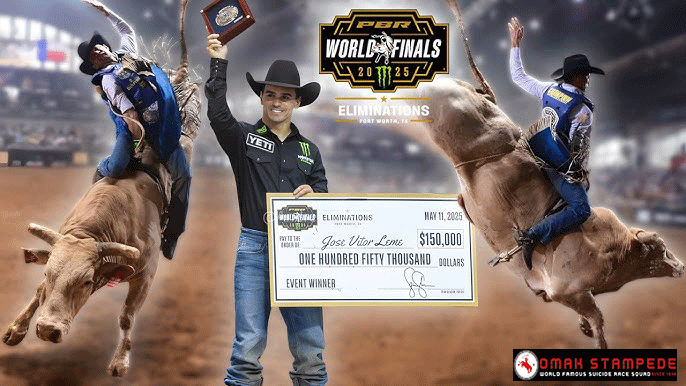
Jose Vitor Leme Net Worth
or

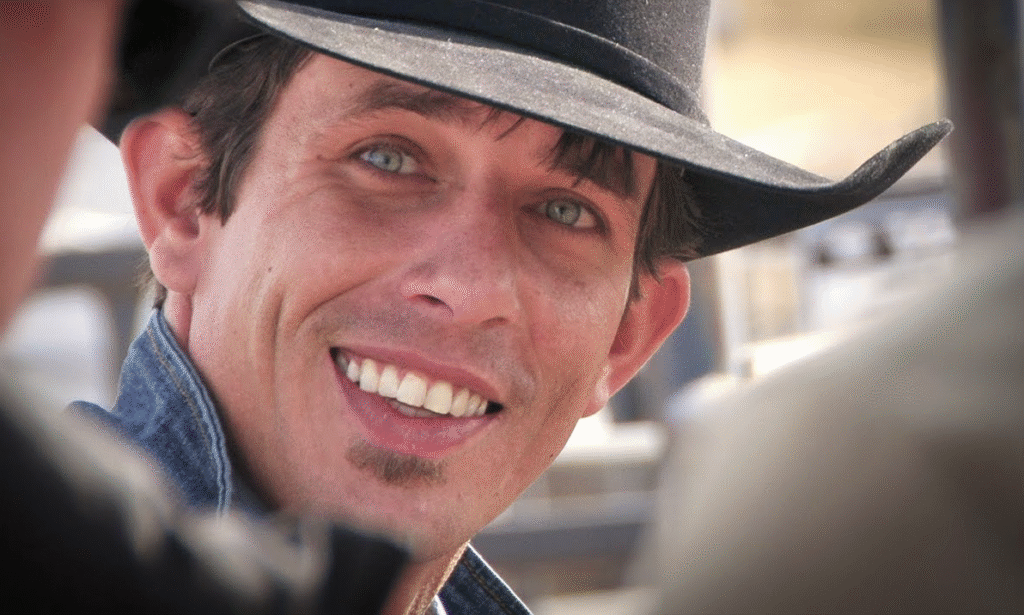
JB Mauney Net Worth
Frequently Asked Questions: Bull Riding Income
Do bull riders get paid if they don’t win?
No. Unlike league-based sports, bull riding is a pay-to-play, performance-based sport where riders pay an entry fee to compete and only make money through prize pools, much like professional golf. If they fail to produce a worthy ride, they earn nothing.
What is the average starting salary for a bull rider?
As of February 2026, the average annual salary for a bull rider in the United States is approximately $32,709, with entry-level or lower-level positions making approximately $17,500 to $25,000 per year. Earnings are highly variable, often ranging from $1,000 to $10,000 per year for beginners at the local, grassroots, or small circuits.
Who is the highest-paid bull rider of all time?
As of early 2026, José Vitor Leme is the highest-paid bull rider of all time, with total career earnings exceeding $8.4 million.
Leme, a three-time PBR World Champion, surpassed previous record holder J.B. Mauney during the 2025 season. While Mauney held the title for several years as the first rider to reach $7 million, Leme’s dominant performances and consecutive wins on the PBR Unleash The Beast Tour and Team Series have pushed his earnings to historic levels.
What penalties hurt income of bull rider?
Penalties in bull riding directly affect a rider’s earnings as a result of a zero score, preventing them from earning prize money and accumulating points for the world rankings. Because bull riding is a “no ride, no pay” sport, any violation that invalidates a score is a direct financial penalty.
How does bull riding pay compare to other sports?
Bull riding pay, especially in the PBR (Professional Bull Riders), offers high-stakes, performance-based earnings, with top riders earning over $300,000 per year, and a $1 million bonus for the world champion. While elite riders make a robust living compared to professional athletes in certain sports, earnings are significantly lower than in major league team sports (NFL, NBA) and are entirely dependent on the rider’s performance, as there is no guarantee of pay.
Do all PBR riders get a base salary?
No, not all PBR (Professional Bull Riders) riders receive a guaranteed base salary. While top riders in the Teams Series may have base contracts, most PBR riders are independent contractors who rely on event prize money, and must cover their own travel and lodging expenses. Income is primarily based on performance.
What is “Cowboy Christmas” and how does it affect earnings?
“Cowboy Christmas” refers to the peak rodeo season around the Fourth of July, where athletes compete in multiple, high-paying events in a short period of time. It is an important, high-earning, and festive period for rodeo competitors, with top performers sometimes earning more than $50,000 in just one week.
How do entry fees affect bull riding income?
Entry fees in bull riding directly fund the prize pool (purse) for events, meaning more participation increases the total amount available to winners, while creating a “pay-to-play” model where riders risk their own money. Fees are typically from local events, and riders must be high-stakes to break even, as these costs, combined with travel, significantly impact net income.
Is bull riding income increasing over time?
Yes, professional bull riding revenues are increasing significantly due to growing prize pools, expanding media rights, and the introduction of team-based competition formats.
Is bull riding income increasing over time?
Maximizing bull riding income requires a combination of elite performance to win prize money, securing corporate sponsorships, and leveraging personal branding to build a sustainable, high-income career. Top riders in circuits like the PBR (Professional Bull Riders) or PRCA can earn six figures, while consistent, high-level performance is the key to accessing the highest, most lucrative payouts.