


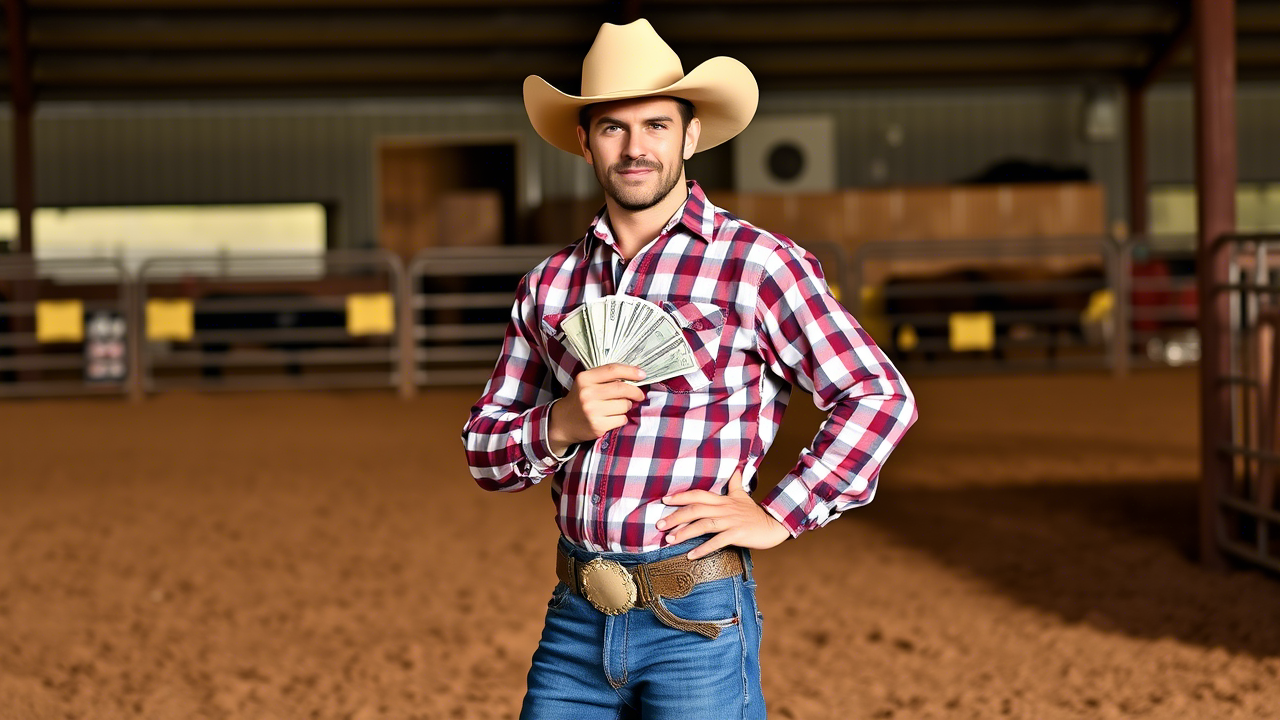
How Much Money Does a PBR Bull Rider Make? Bull riders in PBR mostly earn from prize money, team salaries, bonuses, endorsements, and sponsorships. PBR bull riders earn from $15,000 – $50,000 per year at the mid level and $250,000 – $1M+ at the elite level. Only 12% of active PBR competitors earn more than $100,000 per year. Jose Vitor Leme currently holds the record for career earnings at over $8.4+ million.
Highlights of Yearly Earnings
Earnings depend on rankings and performance in the Unleash the Beast Tour and Team Series. For most riders, there is no guaranteed base salary – all riders’ income relies almost entirely on performance-based, a single bad weekend can wipe out weeks of travel expenses with no return.
Here is the full breakdown by competitive level:
- Top 5 Riders: Typically make between $290,000 and $540,000+ annually.
- Rank 40-100: The earnings for this group have recently tripled, with many now earning above $100,000.
- Lower Tier Riders: Can earn between $10,000 and $30,000, often requiring travel.
| Top Earners | Mid-Level to Top Riders | Lower-Tier/Velocity Tour | All-Time Earnings | Average Earnings |
|---|---|---|---|---|
| Elite riders – $1 million | 40th-ranked rider – $106,000 | Pendleton Whisky Velocity Tour – $100,000 bonus for the champion | Top riders – Jose Vitor Leme ($8.4M) , J.B. Mauney ($7.4M) earned millions | Other riders $30,000 – $60,000 |
Source: pbr.com
Financial Reality & Expenses
Most bull riders are independent contractors and must handle high overhead costs.
- Entry Fees: To participate in most events, riders are required to pay a fee that can exceed $35,000 per year.
- Travel Expenses: This includes fuel, food, and lodging for year-round travel across the country.
- Self-funded Benefits: Professional riders often pay for their own health insurance and retirement plans.
Source: wyomingnews.com
Table of Contents
What Is the Average Income of a Bull Rider? The Real Numbers
Bull riders earn an average annual income that falls between approximately $32,700 and $60,000, depending on the source and their professional level. Here is what the data actually shows when you look at the full distribution of prize money:
| Metric | Figure | What it Means |
|---|---|---|
| Average Aannual earnings | $32,000 – $60,000 | Half of active PBR competitors earn below this |
| Top % earning $100K+ | 12% | Only 1 in 8 riders clears six figures annually |
| % working side jobs | 72% | Most riders cannot survive on prize money alone |
| Career length average | 7–10 years | Injuries typically end careers before age 35 |
| % retire with savings | Under 30% | Most riders earn the bulk in just 2-3 peak years |
Key fact: Bull riding earnings are concentrated at the top. The top 5 earners in any given PBR season take home about 40% of all prize money. A rider finishing in the bottom half of the top 35 can earn $80,000 in prize money but less than $30,000 after expenses – a figure that looks very different from the headline numbers.

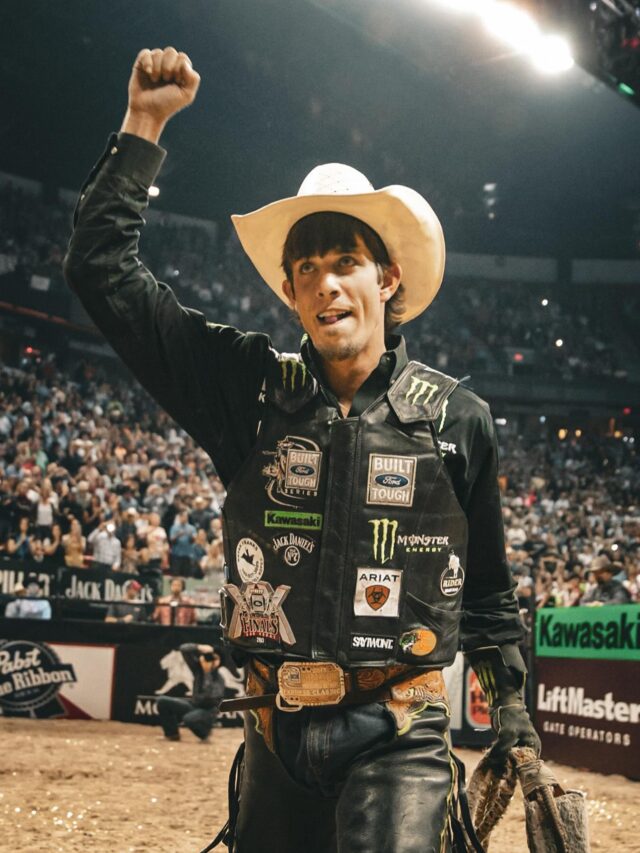
Do Bull Riders Make Good Money? Income Sources
A bull rider “makes good money,” depending entirely on what income stream they have access to. Prize money is essential, but riders who build truly sustainable careers diversify across multiple sources. Here’s how the full income picture breaks down:
Prize Money – 55 – 65% of Total Income
Prize money is paid per successful ride, not per entry. A rider who enters 30 events but completes only 12 of them earns prize money. At the Unleash the Beast level, an event win pays $30,000 – $100,000. The World Finals exceeds $10 million, with the champion’s share just over $300,000. At the Touring Pro Series level, event winners are paid $5,000 – $20,000 – enough to cover travel but rarely enough to make a profit after expenses.
Sponsorships & Endorsements – 20 – 30% of Total Income
Top-level riders can earn $100,000 to $ 500,000 or more annually from sponsorship deals.
The main categories are:
- Western Apparel & Gear: Wrangler, Boot Barn, and Montana Silversmiths, Airette: $10,000 – $75,000/year.
- Official Beer: Anheuser-Busch (Michelob ULTRA) is a major national sponsor, offering a “Michelob ULTRA Bonus” for event winners.
- Energy drinks: Monster, Red Bull: $20,000 – $150,000/year.
- Truck and equipment brands: Ram, Polaris: $15,000 – $150,000 for vehicles over $100,000 and free vehicles up to $100,000.
- Other PBR Partners: Additional sponsors include “FRE Nicotine Pouches,” Kubota, Cooper Tires, and Enterprise Rent-A-Car.
Average riders typically earn $5,000 – $25,000 total from small regional sponsors. Riders ranked below the top 35 rarely have access to national sponsorships.
PBR Team Series Contracts – Growing Income Stream
The PBR Team Series has revolutionized the world of professional bull riding, establishing a rapidly growing revenue stream through high-value team franchises (valued at over $50 million), with plans to expand the league to 12 teams by 2027, and increase sponsorship opportunities. This framework ensures that riders receive annual salaries, while top athletes earn lucrative contracts in addition to substantial payouts from team events, thus transforming the sport into a professional and sustainable career option.
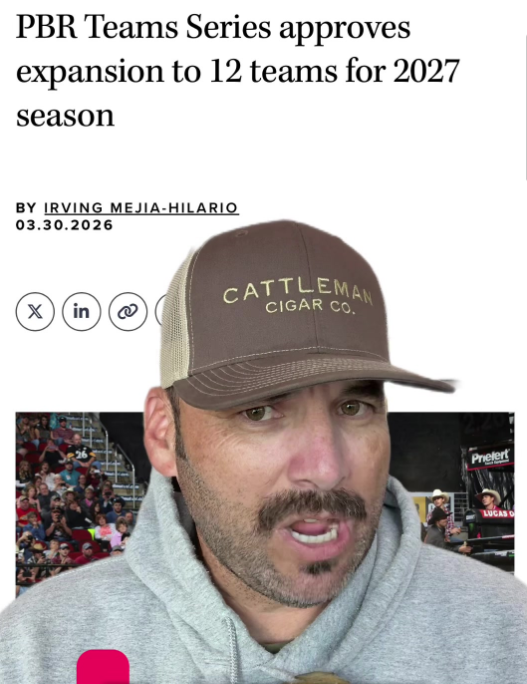
Here is the top news: PBR Teams approves 12 teams for 2027 Season

Evaluation and Revenue
- PBR Franchise Values: The league is expanding, with a target of 12 teams by 2027, and expansion fees that reflect the increasing value of franchises, potentially reaching ($35 – $45) million for new teams.
- Increased Prize Money: The PBR has distributed nearly ($60) million over the last five years, with $16 million in prize money allocated for 2024 alone.
- Media Rights Increased: A new five-year media rights agreement starting in the 2026 season will make Paramount+ the home of the PBR’s top tour, including the entire Team Series season.
- Source: Paramount & PBR
- Gaming and Betting Revenue: The Team Series has legalized sports betting through partnerships with DraftKings and OpenBet, providing new revenue streams from audience engagement, as reported by SAGE Publications.
- Team contracts: Riders are drafted to exclusive one-year contracts with long-term options, which provide stability and salaries to supplement prize money.
PBR Appearance Fees, Clinics & Media – 5 – 15% of Total Income
PBR Bull Riders offers a variety of fan experiences, clinics and media partnerships, with specific costs and contract details as follows:
Elite Appearance Fees for fans
- Elite Bull Riders Experience ($70 – $75): The event features a Q&A with leading elite riders, and stock contractors, along with a special merchandise item, a voucher, and a commemorative lanyard.
- Fan Interactions ($50): Two competing riders and it includes an exclusive autograph card for the fans.
- Elite Seats: Fans can get a prime views on their premium elite seats.
- Travel Packages ($1,200): Packages usually come with two-night hotel accommodations, tickets for events, food and drink vouchers, and exclusive tours.
Clinics
- Broadcast Clinics: Experts like Justin McKee lead clinics to guide the upcoming generation of Western sports broadcasters.
- General Information: Different clinics, like the “Bulls & Beats” weekend (July 2026), frequently mix competition with enjoyment and training.
- Upcoming Events: PBR is planning to host key events, including PBR Bulls & Beats at Colorado State University in July 2026.
- Media Access: Photographers and media representatives must always wear their credentials. Personal cameras are allowed, but professional equipment (detachable lenses) might be limited based on the venue’s rules.
Media & Broadcasts
- Upcoming Events: PBR is planning to host key events, including PBR Bulls & Beats at Colorado State University in July 2026.
- Media Access: Photographers and media representatives must always wear their credentials. Personal cameras are allowed, but professional equipment (detachable lenses) might be limited based on the venue’s rules.
Both JB Mauney and Jose Vitor Leme built significant secondary income streams through media and personal branding that had outlived their peak years.
Note: Fees and packages may change and are specific to event locations like Nashville or major weekend tournaments.
Source: Fan attended elite tour event
The Hidden Costs: What Bull Riders Actually Take Home
Bull riders are often called “independent contractors” who have to be paid to play. While top-level players can earn millions, the average rider often barely breaks even after covering travel, medical, and entry costs.
The following costs come directly out of every rider’s earnings before they see a dollar of profit:
| Cost Category | Annual Estimate | Notes |
|---|---|---|
| Travel (flights, hotels, rental cars) | $15,000 – $40,000 | PBR events extends 30+ US cities plus international |
| Entry fees (per event) | $200 – $500 per event | Paid regardless of whether ride is completed |
| Equipment (rope, vest, helmet, chaps) | $3,000 – $8,000/year | Replaced frequently due to wear and damage |
| Medical & insurance | $5,000 – $20,000/year | Most riders are self-insured – no employer coverage |
| Sports manager (if any) | 10 – 15% of earnings | Only top riders have professional representation |
| Physical therapy & training | $3,000 – $10,000/year | Essential for longevity but rarely covered |
| TOTAL estimated annual costs | $30,000 – $80,000 | For a full-time active PBR competitor |
For one of the most physically dangerous jobs in professional sports, a rider earns $35,000 net of $45,000 in expenses, with a prize pool of $80,000. That’s why 72% of PBR competitors maintain secondary sources of income, and why financial planning is one of the most discussed topics in PBR locker rooms.
How Much Do PBR Team Riders Get Paid?
The PBR (Professional Bull Riders) Team Series, which began in 2022 with eight founding franchises, has experienced rapid growth and expansion, establishing itself as a major, Top Leading league in Western sports. For the first time, riders can earn a guaranteed base salary regardless of whether they complete a ride on any given weekend.
PBR team riders make their money through performance based prize money instead of traditional fixed salaries, with the highest earners making over $200,000 a year.
Top Team Earners ( 2024 – 2025 )
| Riders | Team-specific earnings |
|---|---|
| Clay Guiton | $256,393 |
| John Crimber | $252,689 |
| Brady Fielder | $218,583 |
Tiered Yearly Income
| Riders | Earnings |
|---|---|
| Elite Champions | Exceed $1.5 million total (includes $1M World Champion bonus) |
| Mid-Level Riders | Earn $50,000 – $150,000 |
| Entry Level Riders | Earn below $50,000, often struggling to cover travel and equipment costs |
Payout Models
| Event | Prize Money |
|---|---|
| Per-Event Prize Money | Individual event wins between from $30,000 to $200,000. |
| Team Performance Bonuses | Earn $50,000 – $150,000 |
| Special Awards | In 2024, The Great 8 Award grants $25,000 (minimum 20 outs) |
Team Series riders also benefit from team-provided travel, coaching staff, sports psychology resources, and structured training programs – perks that were previously only available to riders who could afford to pay for them independently. The team model has fundamentally changed the financial calculus for riders who earn a team contract.
Who Is the Highest Paid PBR Rider? Career Earnings Leaders
Career earnings in the PBR are dominated by a small group of elite Brazilian and American riders who combined exceptional talent with long, injury-managed careers. José Vitor Leme is currently the highest-paid PBR rider of all time, with career earnings of over $8.4 million. In May 2025, José Vitor Leme officially passed J.B. Mauney’s long-standing record to become the highest-earning rider in the history of the sport.
Here are the documented career earnings leaders:
| Rank | Rider | Career Earnings | World Champion |
|---|---|---|---|
| 1 | José Vitor Leme | 8.4M+ | 3x |
| 2 | J.B. Mauney | $7.4M+ | 2x |
| 3 | Silvano Alves | $6.7M+ | 3x |
| 4 | Guilherme Marchi | $5.3M+ | 1x PBR Champion |
| 5 | Justin McBride | $5.1M+ | 2x |
| 6 | Kaique Pacheco | $4.9M+ | 1x |
| 7 | Jess Lockwood | $4.4M+ | 2x |
How Much Can a Professional Bull Rider Make?
Professional bull riders make different amounts of money depending on their skill level. Top PBR (Professional Bull Riders) competitors can earn from hundreds of thousands to a million dollars each year, which includes a $1 million bonus for the world champion. The best riders can accumulate millions over their careers, with the top earners making more than $7 million.
Earnings Breakdown:
- Top earners: Elite riders can earn more than $200,000 in a single season, with top performers consistently earning big bucks in PBR-US competitions.
- Average income: For many riders, bull riding is not a primary career. Lower-level riders (for example, in regional associations like SEBRA) can earn only ($15,000)–($20,000) per year, often struggling to cover expenses.
- Prize money: PBR World Finals event champions can earn ($350,000), and individual Velocity Tour events offer thousands more.
- Expenses: Riders are independent contractors, paying their own travel, lodging, and entry fees, which can significantly reduce net income.
How They Get Paid:
A bull rider’s “salary” is actually a combination of various incomes.
- Prize Money: Event payouts can vary. Winning a round at the Wrangler NFR can bring in around $27,000, while the average winner can take home more than $69,000.
- Team Series: The new PBR Team Series ensures a steadier income through team contracts and additional prize pools.
- Sponsorships: Top competitors receive substantial income from brands like Monster Energy, Wrangler, and Justin Boots. These sponsorships can sometimes exceed their actual competition earnings.
- End-of-Season Bonuses: The PBR awards significant bonuses, including $100,000 for the Velocity Tour champion and $350,000 for the winner of the World Finals event.
💡 Key Fact: Most riders pay their own entry fees, travel, and medical expenses. For those not in the top 40, the “net profit” at the end of the year is often very small.
Frequently Asked Questions About How Much Money Does a PBR Bull Rider Make?
These are the most common questions we receive about bull rider pay – answered directly from PBR records, PRCA data, and our own experience working with professional rodeo athletes at the Omak Stampede.
Q: How Much Money Does A Pbr Bull Rider Make Per Year?
Top-Elite Professional Bull Riders (PBR) currently earn between $200,000 and $550,000 annually from winning events.
Q: How Much Do PBR Bull Riders Make?
Top PBR (Professional Bull Riders) Bull Riders can earn over $1 million per season, including a $1 million bonus for the world title.
Q: Do Bull Riders Make Money If They Don’t Complete The Ride?
Generally, no. In professional bull riding, if a rider does not stay on the bull for the full 8 seconds, he receives a “no score” and usually walks away with zero prize money.
Q: How Much Do Pbr Bull Riders Make Compared To PRCA Cowboys?
Top PBR Riders: The best PBR riders are achieving record earnings. As of May 2026, leading riders such as Brady Fielder and John Crimber have already made over $470,000 – $540,000.
Top PRCA Bull Riders: Although PRCA earnings continue to grow in 2026, top athletes, including those in bull riding and other events like saddle bronc, usually see their earnings surpass $100k-$150k early in the season. However, they often need to participate in more events to hit those figures.
Q: Is Bull Riding Worth It Financially?
For the top 12% of competitors who reach the Unleash the Beast on Top, bull riding can be a financially rewarding career – especially with sponsorships and team contracts. Bull riding can be very profitable for a select few who make it to the top, but for most participants, it is usually a risky and expensive activity with minimal financial gain.
Q: How Much is Bull Riding Income?
Professional bull riders’ income based on skill level and league, with elite PBR riders earning over $1 million in career earnings and top performers often earning $200,000+ annually.
Q: How Much Does The Average PBR Rider Make?
The average PBR rider earns approximately ($37,000 – $40,000) annually, although earnings depending on their skill level.
At the Omak Stampede, we honor every competitor who rides a bull – from the young teen at their first regional event to the experienced veteran aiming for a World Finals prize. The financial commitment these athletes undertake in their career pursuit is what makes professional bull riding one of the truest meritocracies in sports.
About the Author: This article was produced by the Omak Stampede Editorial Team with input from professional rodeo industry insiders and PRCA-affiliated personnel. The Omak Stampede has hosted professional rodeo in Omak, Washington and has worked alongside PBR and PRCA competitors across multiple generations of the sport.
Sources: PBR Official Earnings Reports 2022–2024 (pbr.com) | PRCA Annual Statistics Report (prorodeo.com) | Sports Reference Rodeo Earnings Data | PBR Team Series Official Announcement & Contract Structures | Forbes Sports Money – Rodeo Earnings Analysis | Cowboy Lifestyle Network – Bull Rider Career Finance Survey