


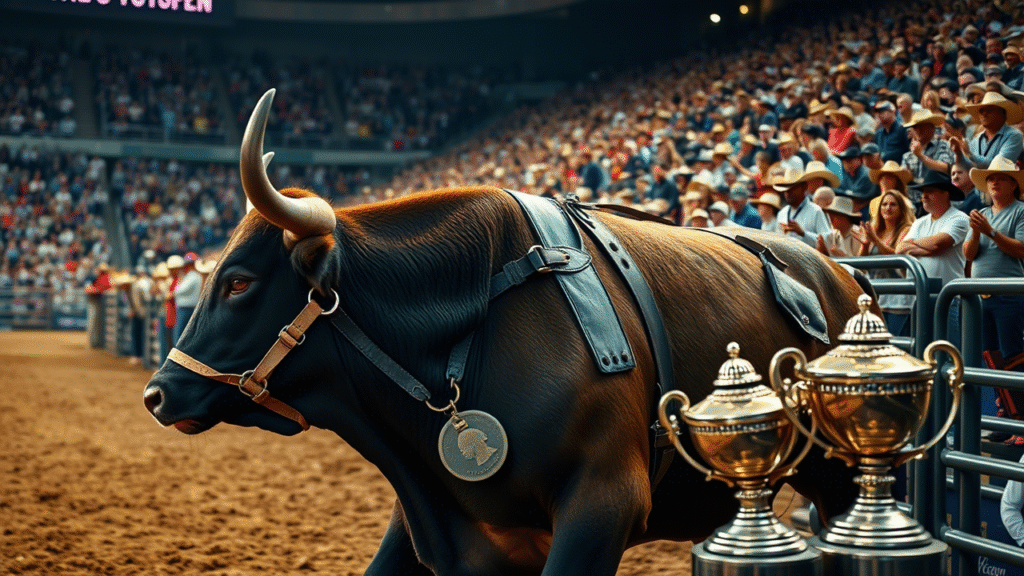
How to Put a Flank Strap on a Ball?, Bull riding represents one of the most dangerous sports in America, with an injury rate 10 times higher than football. Understanding proper flank strap application is critical to rider safety and animal welfare in professional rodeos. This comprehensive guide covers everything from equipment details to step-by-step application procedures, dispelling common myths and emphasizing safety protocols mandated by major rodeo organizations.

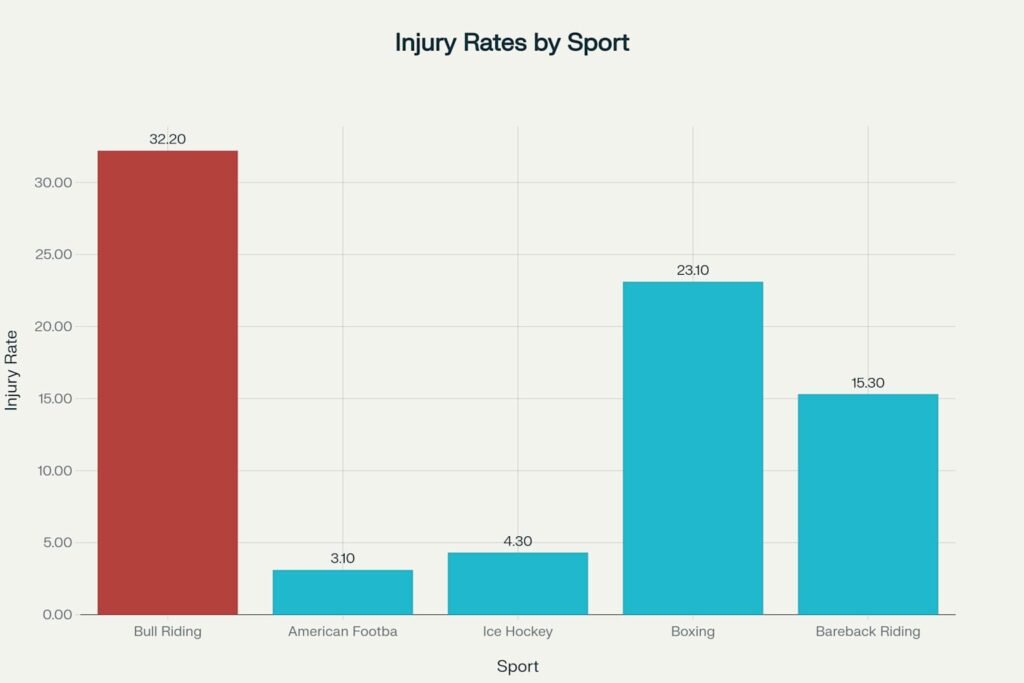
Bull riding has a significantly higher injury rate than other popular sports, with 32.2 injuries per 1,000 exposures – 10 times higher than American football.
Table of Contents
Understanding the Flank Strap: Purpose and Function
What Is a Flank Strap?
A flank strap is a specialized piece of rodeo equipment designed to encourage natural bucking behavior in bulls during professional competitions. Contrary to popular belief, the strap is not tied around the bull’s testicles. Instead, it’s positioned around the bull’s flank area, just in front of the hind legs and behind the ribs, functioning like a snug belt around the waist.
The Professional Rodeo Cowboys Association (PRCA) mandates that bull straps be made of soft cotton rope with a minimum diameter of 5/8 inch. This specification ensures both effectiveness and animal welfare compliance.
How Flank Straps Work
The flank strap works by creating a slight sensation that stimulates the bull’s natural instinct to buck and kick, much like a fly landing on the skin triggers an automatic response to relieve the irritation. “The flank strap is like a fly that just landed on my ear and I waved it away like you’re trying to get the fly off of you,” says stock contractor Bannon Cervey.
Scientific research from Colorado State University found no significant increase in cortisol (a stress hormone) in bulls after rodeo events, while the University of Sydney documented similar heart rates in horses with and without the strap.
Professional Standards and Animal Welfare
PRCA Regulations
The Professional Rodeo Cowboys Association has implemented more than 60 animal welfare rules to ensure the proper treatment of rodeo cattle. Key flank strap requirements include:
- Veterinary presence required at all PRCA sanctioned events
- Minimum 5/8 inch soft cotton rope for bull reins
- Fleece or neoprene lining required for horse reins.
- Quick release mechanism for immediate removal after rides
- No excessive tightness that restricts movement.
Injury Prevention Statistics For How to Put a Flank Strap on a Ball?
According to the American Veterinary Medical Association, only 0.00041% of animals involved in PRCA rodeos are injured – less than one in 2,500 animals. The PBR (Professional Bull Riders) reports that 0.08% of bulls suffer minor abrasions, emphasizing the safety of properly fitted equipment.
Step-by-Step Flank Strap Application
Required Equipment
Before you begin the application process, make sure you have:
- 5/8 inch soft cotton rope (at least 9 feet long)
- Stainless steel flat ring
- Quick release mechanism
- Safety hook (copper coated with rubber)
Safety Prerequisites
Do not attempt to apply a flank strap without proper training and safety measures:
- Make sure a qualified veterinarian is available.
- Have emergency medical personnel on standby
- Verify that the bull is healthy and fit for competition.
- Use only PRCA-approved equipment.
Application Process
Step 1: Positioning and Preparation
- Position yourself safely outside the wound while the bull is secured
- Keep the flank strap with the ring away from your body
- Make the bull aware of your presence by speaking softly.
Step 2: Initial Placement
- Drop the tail end of the bull’s back strap to the far side of the bull.
- Using the safety hook, pass through the chute gaps and grab the tail.
- Place the strap around the side of the bull – approximately where a belt would sit on a human waist.
Step 3: Securing the Strap
- Pull the tail through the ring to create a loop.
- Adjust for a proper fit – snug but not tight.
- Make sure the strap sits on the back muscles, not the reproductive organs.
Step 4: Final Tightening
- Wait until just before riding to apply final tension.
- Pull to the appropriate tightness for the specific bull – different animals prefer different levels.
- Secure with a slip knot that allows for quick release.
Critical Safety Points
- Never overtighten the front strap, as this will cause the bull to refuse to move.
- Be careful not to kick during application.
- Have an assistant hold the bull if possible.
- Remove immediately after 8 seconds of riding or when the rider dismounts.
Common Misconceptions and Myths
Myth: Flank Straps Cause Pain
Scientific evidence refutes this claim. A study of 12 bulls that examined the animals who used a leash for four years found:
- No histopathological lesions in areas of contact with the strap.
- No alterations in reproductive function.
- Normal heart and respiratory rates during and after booking
- No changes in feeding or sexual behavior.
Myth: Straps Are Tied Around Testicles
Professional bull rider descriptions consistently dispel this myth. As the PBR educational materials show: “You can’t see anywhere near the male parts clearly in this picture.” Furthermore, more than half of the booking horses are female, making it physically impossible for a significant portion of the rodeo stock to compete.
Myth: Bulls Are Forced to Buck
Bulls and broncos have natural instincts developed over thousands of years of evolution. The flank strap simply enhances existing behavior rather than forcing unnatural movements.
Equipment Specifications and Costs
Professional-Grade Flank Straps
| Specification | Bulls | Horses |
|---|---|---|
| Material | Soft cotton rope | Fleece/neoprene-lined leather |
| Minimum Width | 5/8 inch | 4-6 inches |
| Length | 9 feet | Variable |
| Ring Material | Stainless steel | Metal buckles |
| Cost Range | $20-35 | $45-75 |
Complete Bull Riding Equipment Investment
Professional bull riders invest about $1,450 in safety equipment [our analysis], including:
- Safety Vest: $400 (Safety Critical Rating)
- Helmet: $200 (Safety Critical Rating)
- Champions: $300 (Safety Critical)
- Ball Rope: $150 (Essential Equipment)
- Shoes: $250 (Safety Critical)
- Spurs: $100 (Performance Enhancement)
- Gloves: $50 (Safety Critical)
Risk Management and Safety Protocols
Injury Statistics and Prevention
Bull riding carries significant risks, with 32.2 injuries per 1,000 competitor exposures, making it 10.4 times more dangerous than American football [our analysis]. Common injuries include:
- Fractures: 63% of all injuries
- Wounds: 15.3% of all injuries
- Chest injuries: 15% of cases
- Extremity injuries: 52% of cases
Emergency Preparedness
Every rodeo event must maintain:
- Qualified veterinarian on site
- Emergency medical personnel and equipment
- Vehicle for transporting injured animals
- Proper construction of the field to minimize the risk of injury
Protective Equipment Requirements
PRCA mandates specific safety gear:
- Protective vests for all bull riders
- Helmet or cowboy hat (helmets strongly recommended)
- Dull spurs only – no sharp edges allowed.
- Appropriate chaps to protect legs
Modern Innovations and Future Developments
Technology Integration
Recent innovations in rodeo safety include for How to Put a Flank Strap on a Ball?
- Pressure sensor for real-time flank strap monitoring
- Electronic release mechanism for quick strap removal
- Innovative helmet design specifically for bull riding impacts
- Smart safety vest with impact detection [Our analysis]
Training and Education
Proper training programs emphasize:
- Progressive learning over multiple sessions
- Understanding animal behavior
- Equipment maintenance and inspection
- Emergency response procedures
Expert Recommendations and Best Practices
Professional Guidance
Dr. Jim Heard, equine scientist, says: “Decades of data show that leashes do not harm animals when used correctly. It’s about proper training and care.”
Veterinary supervision ensures compliance with animal welfare standards, with mandatory inspections before and after events.
Training Recommendations
- Seek professional guidance before attempting to apply a flank strap.
- Practice on a mechanical bull or training equipment first.
- Understand animal behavior and stress signals.
- Maintain equipment properly to ensure safety and effectiveness.
Safety Protocols
Proper flank strap application requires extensive training, proper equipment, and strict adherence to safety protocols. While bull riding is an inherently dangerous sport, following PRCA guidelines and maintaining professional standards helps protect both riders and animals. The modern rodeo industry’s commitment to animal welfare, as evidenced by comprehensive regulations and veterinary oversight, ensures that flank straps serve their intended purpose without causing harm.
Do not attempt to apply a flank strap without proper training and supervision. The techniques described here are for educational purposes only and should be learned under qualified instruction in a controlled environment with appropriate safety measures.