
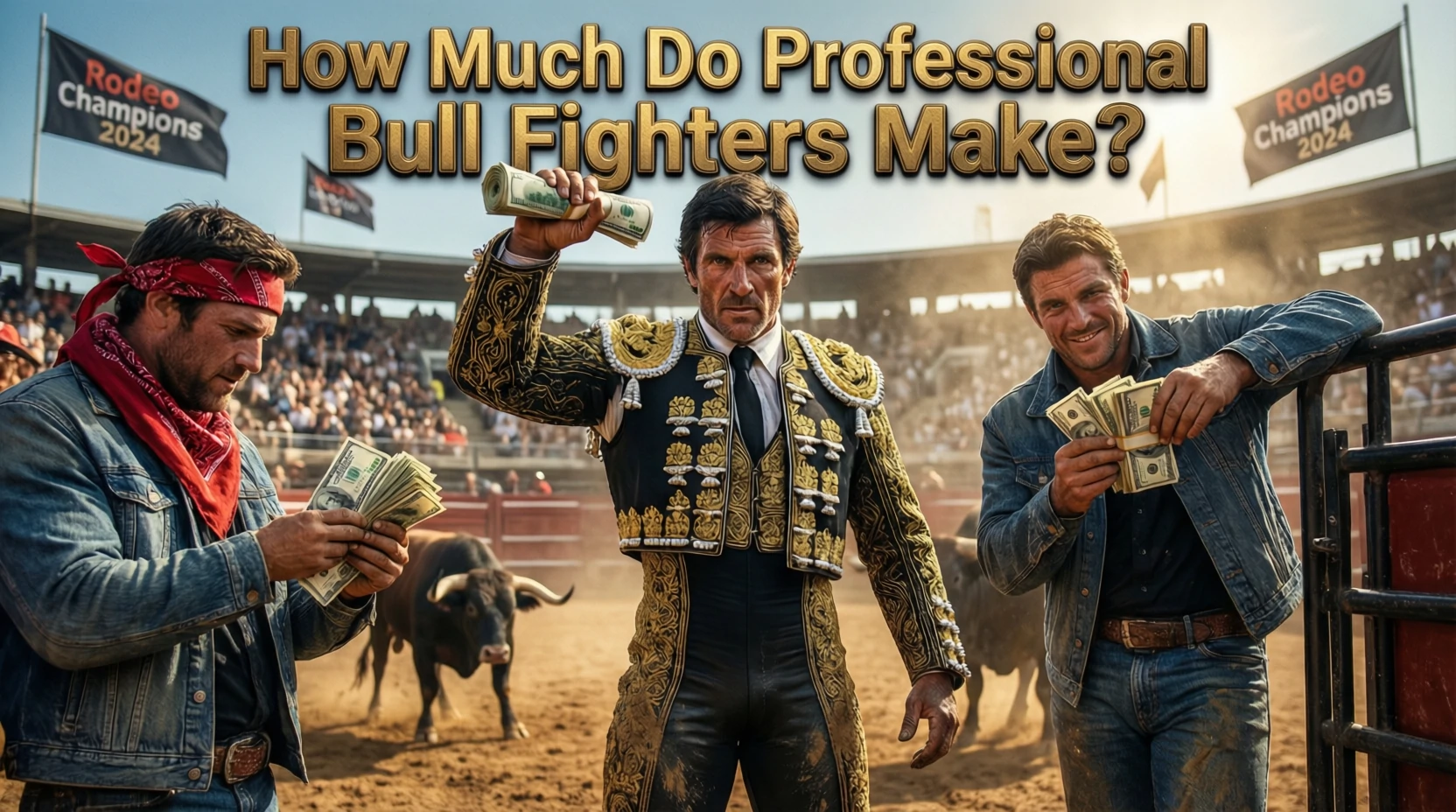
How Much Do Professional Bull Fighters Make? Professional bull riders’ earnings vary, from thousands for beginners who need second jobs to millions for superstars like Jose Vitor Leme. Top PBR riders earn substantial prize money and potentially six-figure sponsorships. In contrast, Spanish matadors or rodeo bullfighters (who protect riders) can earn tens of thousands per fight, depending on the class.
Table of Contents
Professional Bull Riders (PBR – American Style)
- Top Tier: Elite riders can earn millions over their careers, with the PBR World Champion earning a $1 million bonus and $350,000 for winning the World Finals.
- Mid-tier: Successful riders in major events can earn $40,000 to $170,000 annually, with significant prize money from events like the National Finals Rodeo (NFR) and Velocity Tour.
- Beginner: Many aspiring riders earn only a few thousand dollars and often need to take on other jobs to supplement their income due to the high costs and risks.
- Sponsorship: Top riders earn significant endorsement deals, adding $100,000 to $150,000+ annually.
- Career Totals: The highest-earning PBR rider in history, Jose Vitor Leme, has earned more than $8.3 million+ in career winnings.
- Typical Annual Range: Annual earnings for ranked PBR riders in 2025 ranged from about $45,000 to $385,000, depending on event success.
Spanish Matadors (Traditional Style)
- Superstars (A-Class): Famous matadors can earn €30,000 to €150,000 (tens to thousands of dollars) per fight, performing 40+ times a year.
- Mid-tier (B-Graders): Earn tens of thousands per fight, with 14-39 fights per year.
- Novices (C-Class): Earn only a few thousand to tens of thousands of euros per fight, with fewer performances.
- Per-fight fee: A top-tier matador can command upwards of $100,000 for an afternoon, although he must pay his team (picadores and banderilleros) and travel expenses with that fee.
Rodeo Bullfighters (Cowboy Protection)
These players are responsible for distracting the bull to protect the rider after a fall. Unlike riders, their salary is usually a fixed daily or per-performance fee, rather than prize-based winnings.
- Annual Average: The average annual salary for a professional rodeo bullfighter in the U.S. is about $37,338 as of early 2026, with the highest earners (90th percentile) reaching $57,500.
- Per Performance:
- Newcomers: Can only make a few hundred dollars per show.
- Standard PRCA Rodeos: Experienced bullfighters typically make between $500 and $1,000 per performance.
- Elite/Big Rodeos: Famous bullfighters at big events can take home over $2,000 per show.
- Rodeo Clowns/Entertainers: Often earn more than protection bullfighters because they fill “dead time” throughout the show. At PRCA events, they can earn $2,500 to $3,000 per performance.
Bullfighter Salary Breakdown: From Rookie to Elite
Bullfighters are typically independent contractors, not salaried employees. They earn money per event, and their annual income depends on how many events they work and how well they perform.
The following table breaks down the earning potential at different career stages:
| Career Stage | Base Salary / Fees | Bonuses & Danger Pay | Total Potential Annual Earnings |
|---|---|---|---|
| Rookie / Entry-Level | $35,000 – $50,000 | $5,000 – $15,000 | Up to ~$60,000 |
| Mid-Career (5+ years exp.) | $60,000 – $90,000 | $20,000 – $40,000 | Up to ~$130,000 |
| Elite (PBR Teams/World Finals) | $100,000 – $150,000 | $50,000+ | $200,000+ |
The Future of Bullfighter Compensation
Several trends are having a positive impact on bullfighter salaries:
- High demand, short supply: There are only about a dozen full-time PBR bullfighters for the more than 200 annual events, which take advantage of the high talent.
- Increased TV exposure: Major network broadcasts highlight dramatic savings, increasing fan appreciation, and the fighters’ marketability.
- Advancing safety technology: Investments in new protective gear, such as vests with airbag systems, help manage the extreme risks of the job.
Case Study: Workload vs. Income
Consider a mid-career bullfighter on the regional circuit who:
- Works 80 rodeos a year at an average of $500 per event.
- That totals $40,000 before any sponsorships, clinics, or special operations.
If that same fighter lands a spot on a television tour and averages $1,200 per event for 80 shows, the annual total comes to $96,000, illustrating how much better booking matters than more shows. This leverage effect is why many bullfighters invest heavily in fitness, social media, and networking with stockbrokers to move into higher pay brackets.
Are you looking for a breakdown compared to previous legendary Rodeo Riders like Guilherme Marchi & Trevor Brazile?
I can provide a side-by-side comparison of their career earnings and titles.
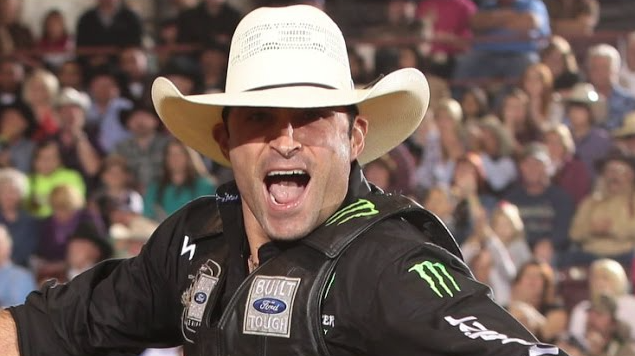
Guilherme Marchi
or
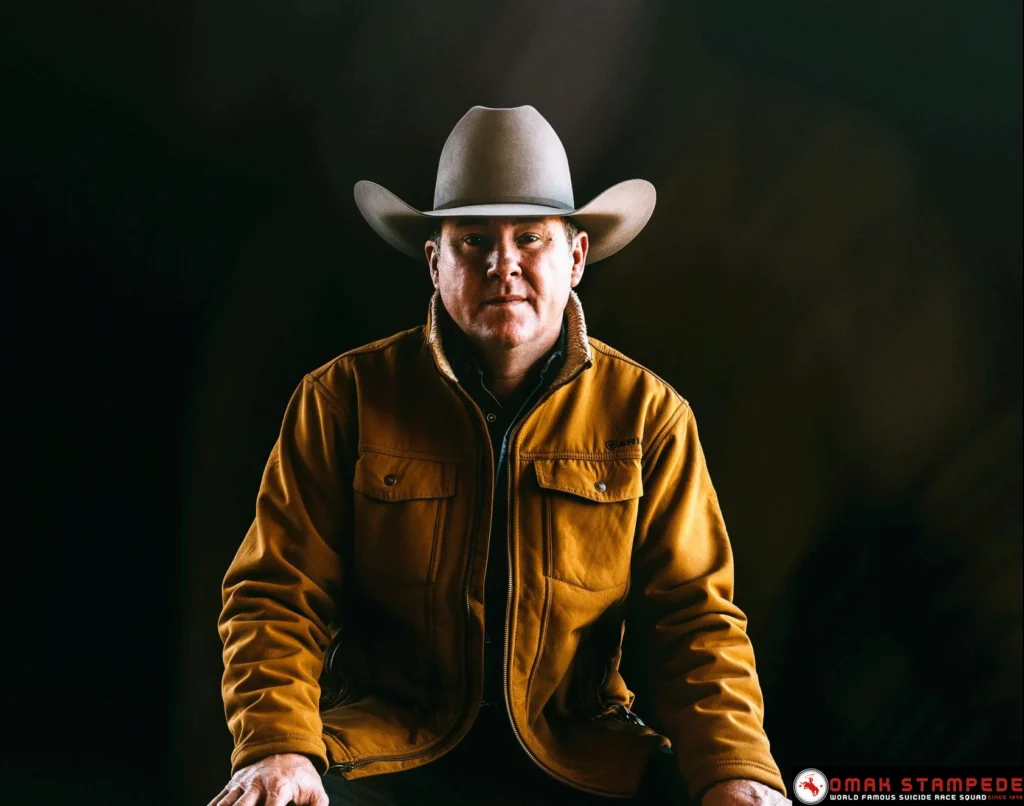
Trevor Brazile
Frequently Asked Questions: How Much Do Professional Bull Fighters Make?
How Much Do Professional Bull Fighters Make?
Beginning bullfighters – who are often classified as either rodeo bullfighters (protection) or matadors (traditional Spanish style) – typically earn between $100 and $500 per performance, or an average of $20,000 annually when they begin their careers.
Who is the highest-paid bullfighter of all time?
While current elite fighters earn over $200,000, entertainment legend Flint Rasmussen is considered one of the highest paid, earning nearly $300,000 annually at his peak through PBR work and major sponsorships.
Do PBR bull fighters make good money?
Yes, top PBR bullfighters (riders) can make very good money, earning hundreds of thousands to millions annually through prize money and sponsorships, while lower-level or newer riders may earn modest incomes requiring side jobs, but overall earnings are increasing as the PBR has grown, with many athletes now touching six figures.
Is bull fighting a full‑time job or a side hustle?
Bullfighting is generally thought of as a full-time, high-stakes profession for high-level matadors, but it mostly works as a part-time, seasonal, or side hustle for practitioners, assistants, and rodeo-style bullfighters.
Why don’t bullfighters earn as much as top riders?
Bullfighters (or rodeo clowns/protection athletes) typically earn less than top bull riders because riders earn prize money based on performance scores and championship wins, which are directly tied to fan engagement, while bullfighters are paid a flat fee per performance, primarily for protection; their income does not increase, although bullfight success reduces their earnings, and bullfight rates are lower. More about performance-based and consistently high-level protection service, as opposed to a rider’s jackpot-style earnings.
Can women be PBR bullfighters?
Yes, women can be PBR (Professional Bull Riders) bullfighters, although it is a challenging, male-dominated role where women are breaking barriers, increasing opportunities for women through specific programs like the PBR Canada Bullfighter Experience, and the growing presence of women at rodeo events, proving their skills in the field with a counterpart.
What’s the career longevity for a bullfighter?
Career longevity for a professional bull rider is generally short due to the high physical toll, with many riders retiring in their late 20s to mid-30s. While some exceptional athletes compete for long periods, the constant risk of injury (concussions, broken bones, spinal cord damage) makes a long-term career difficult.
Is the pay worth the risk of bull riding?
The decision of whether the pay in bull riding is worth the risk is highly subjective, as the financial rewards vary greatly and the physical risks are high. Elite riders can earn a substantial income, but most riders struggle to cover the costs while facing a very high chance of serious injury.
Beyond the Arena Richest Cowboy
The broader interpretation of the question sometimes points to Jerry Jones, owner of the Dallas Cowboys NFL franchise, who has a net worth of about $16.1 billion. While culturally iconic, it highlights a wide financial divide. Jones’ wealth comes from sports franchise ownership and business, not rodeo competition. In the realm of professional rodeo athletes, Trevor Brazile’s earnings record stands as a definitive benchmark for success on the field.