
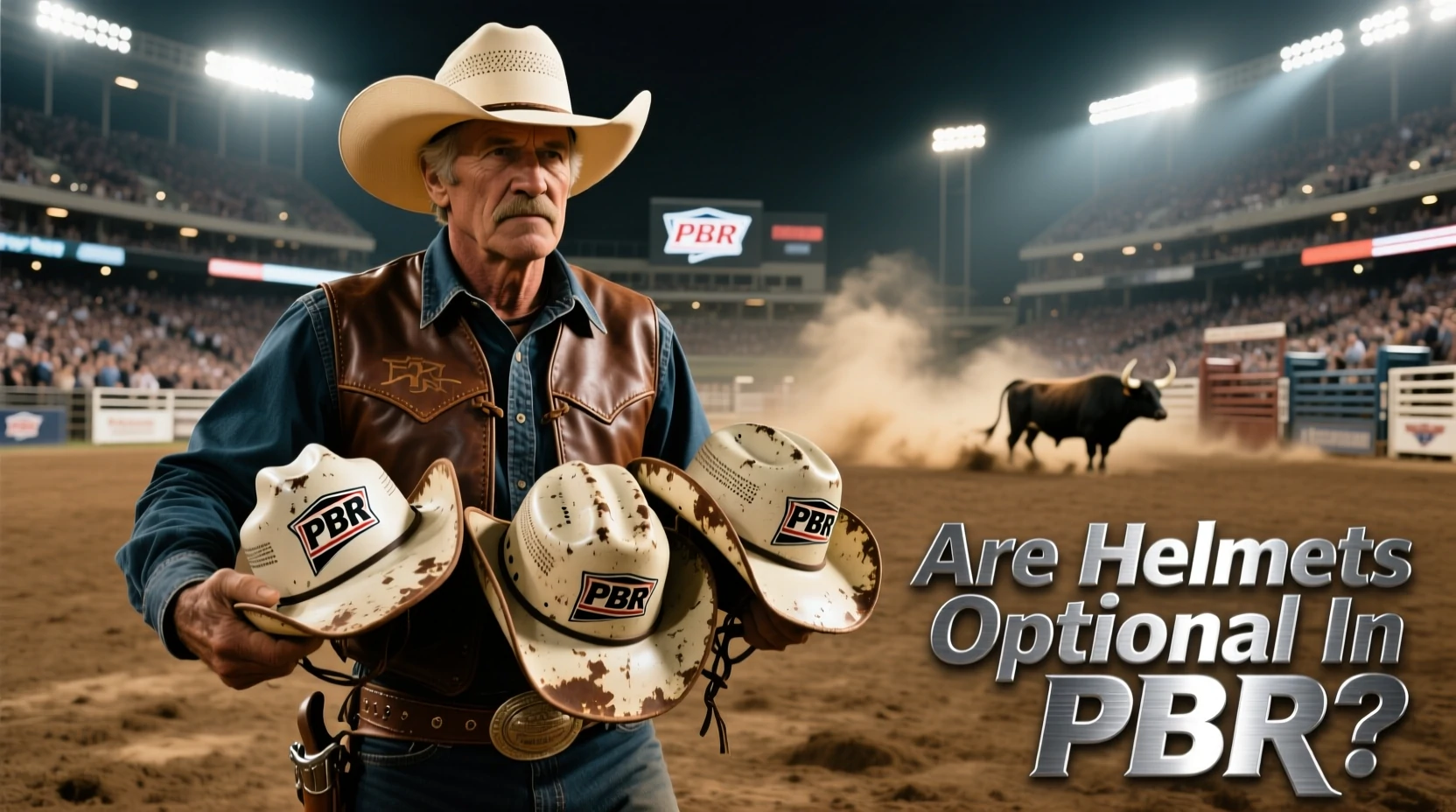
Are Helmets Optional In PBR? In the Professional Bull Riders (PBR), helmets are mandatory for all competitors born on or after October 15, 1994. For riders born before that date, wearing a helmet is optional, and they may choose to wear a traditional cowboy hat instead.
The world of Professional Bull Riders (PBR) is defined by 8-second dares against 2,000-pounds opponents. For fans and aspiring riders, a key question often arises: The answer is a nuanced one, blending safety standards with deep-seated tradition.
Table of Contents
History and Techniques of Helmet Use in PBR
For decades, the cowboy hat was a popular, non-negotiable headgear in bull riding, a symbol of the sport’s rugged heritage. However, a growing wave of serious head injuries forced a reckoning. The key change came in 2013, when the PBR established a landmark rule: Any competitor born on or after October 15, 1994, must wear a certified protective helmet. Riders born before that date are “grandfathered in” and retain the choice between a helmet and a traditional hat.
The policy represents a calculated compromise between safety and tradition. Technically, modern bull riding helmets are derived from hockey designs, designed to withstand high-speed impacts. Their adoption is part of a broader safety evolution that includes mandatory protective vests, which mark a significant shift from purely cultural attire to essential, life-saving equipment.
PBR Helmet Rules, Scoring, and Safety Aspects
The current PBR helmet rule is clear and strictly enforced. For mandatory riders, failure to wear an approved helmet results in disqualification from competition. While older, grandfathered riders may choose to, the data suggests that the “vast majority” now opt for a helmet and/or face mask, having firsthand experience with the dangers of the sport.
Safety statistics underscore why this change is important. Bull riding is the most dangerous sport in America, with head and brain injuries occurring in more than 52 percent of rodeo events. Concussions alone account for about 16 percent of all bull riding injuries. The helmet rule is a direct response to these alarming statistics, designed to prevent devastating skull fractures and traumatic brain injuries, even as preventing all concussions remains a medical challenge.
Original Insights, Case Studies, and Expert Opinions
The journey to widespread helmet acceptance is a powerful case study in cultural change. Initially, many riders resisted, citing comfort and loss of identity. The tragic story of riders like Ty Pozzobon, who suffered multiple concussions, became a catalyst for changing perceptions toward prioritizing safety over tradition.
Expert opinions highlight the ongoing debate and the science behind the gear:
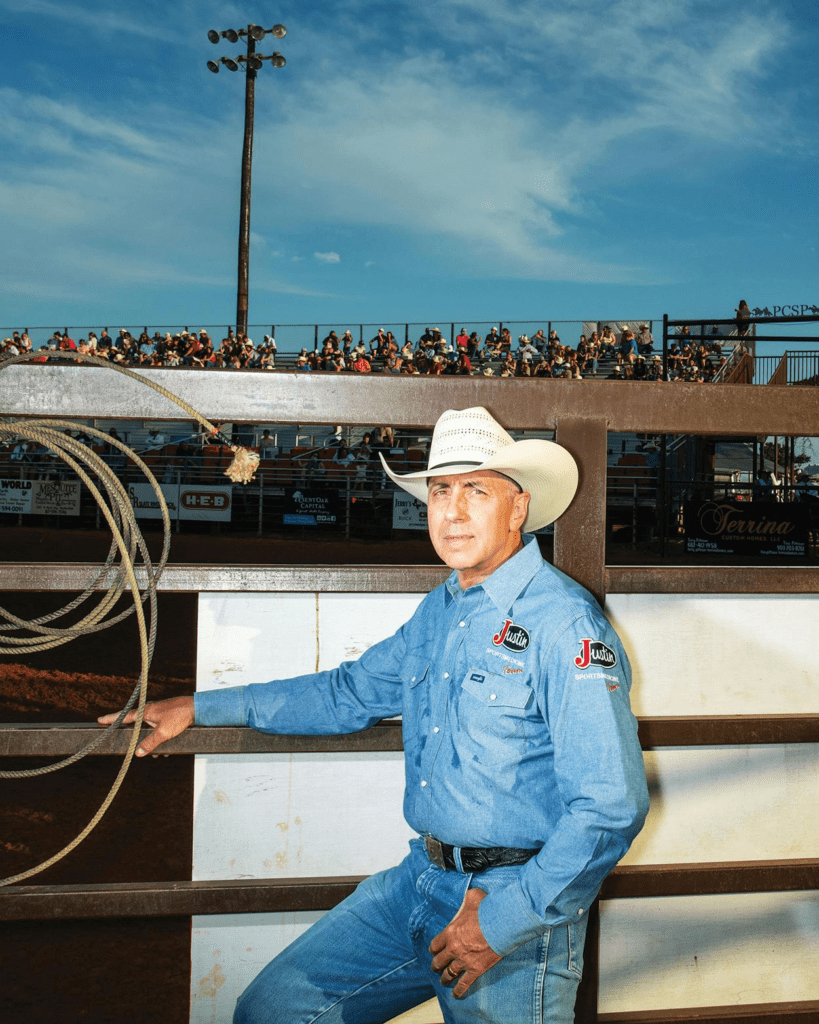
- Dr. Tandy Freeman, PBR Medical Director: Notes that while statistically significant reductions in concussion rates are still being studied, helmets are “our best protection against catastrophic brain injuries.”
- Lachlan Richardson, Top PBR Rider: Stresses the critical importance of gear use, as well as baseline concussion testing and proper recovery protocols.
- Marnie Wiesner, Sports Medicine Doctor: Supports expanding helmet mandates for all ages, citing unclear injury reduction data.
PBR Events, Scoring, Rules, and Penalties
Understanding helmet rules fits into the broader framework of PBR competition. Riders compete in series such as the Premier Unleash the Beast Tour and the Pendleton Whiskey Velocity Tour. A successful 8-second ride is worth 100 points (50 for bull difficulty, 50 for rider control).
Key general rules include the inability to touch the bull or yourself with your free hand while riding. The helmet mandate operates within this rulebook: For those who are required to wear it, it is considered essential equipment. Failure to comply will result in suspension from competition, in keeping with the PBR’s commitment to protecting riders at the extreme limits of the sport.
Frequently Asked Questions For Are Helmets Optional In PBR?
Are helmets mandatory for every PBR rider?
No. Helmets are only mandatory for riders born on or after October 15, 1994. Riders born before that date may choose to wear a helmet or a cowboy hat.
Does helmet use actually reduce injuries?
Yes, but with one important distinction. Helmets are highly effective in preventing severe skull fractures and fatal brain trauma. However, concussions remain common, as no helmet can fully absorb the complex forces of a bull riding wreck.
Can older PBR riders wear cowboy hats instead of helmets?
Yes, this rule originated among experienced riders, who left the choice of headgear up to them. However, most now opt for the extra protection.
Has the helmet rule changed the culture of bull riding?
Absolutely. What started with resistance has given rise to a safety-oriented culture among new generations. Virtually all rookie riders now wear helmets, making them the visible norm.
Is there pressure for universal helmet rules?
Yes, many medical experts, safety advocates, and some event organizers continue to push for a full-face helmet mandate for all riders, regardless of age, to further reduce injury rates.
The question “Are helmets optional in the PBR?” reflects the ongoing balance between respecting the sport’s past and protecting the future. While optional for some veterans, helmets are unequivocally mandatory for a new generation of riders – a rule that has undoubtedly saved lives and prevented career-ending injuries. As technology advances and the culture of safety deepens, the trend is undoubtedly moving toward universal protection. For the PBR, helmets are no longer just optional equipment. They are a symbol of the evolution of the sport and its commitment to ensuring that every cowboy lives to ride another day.