
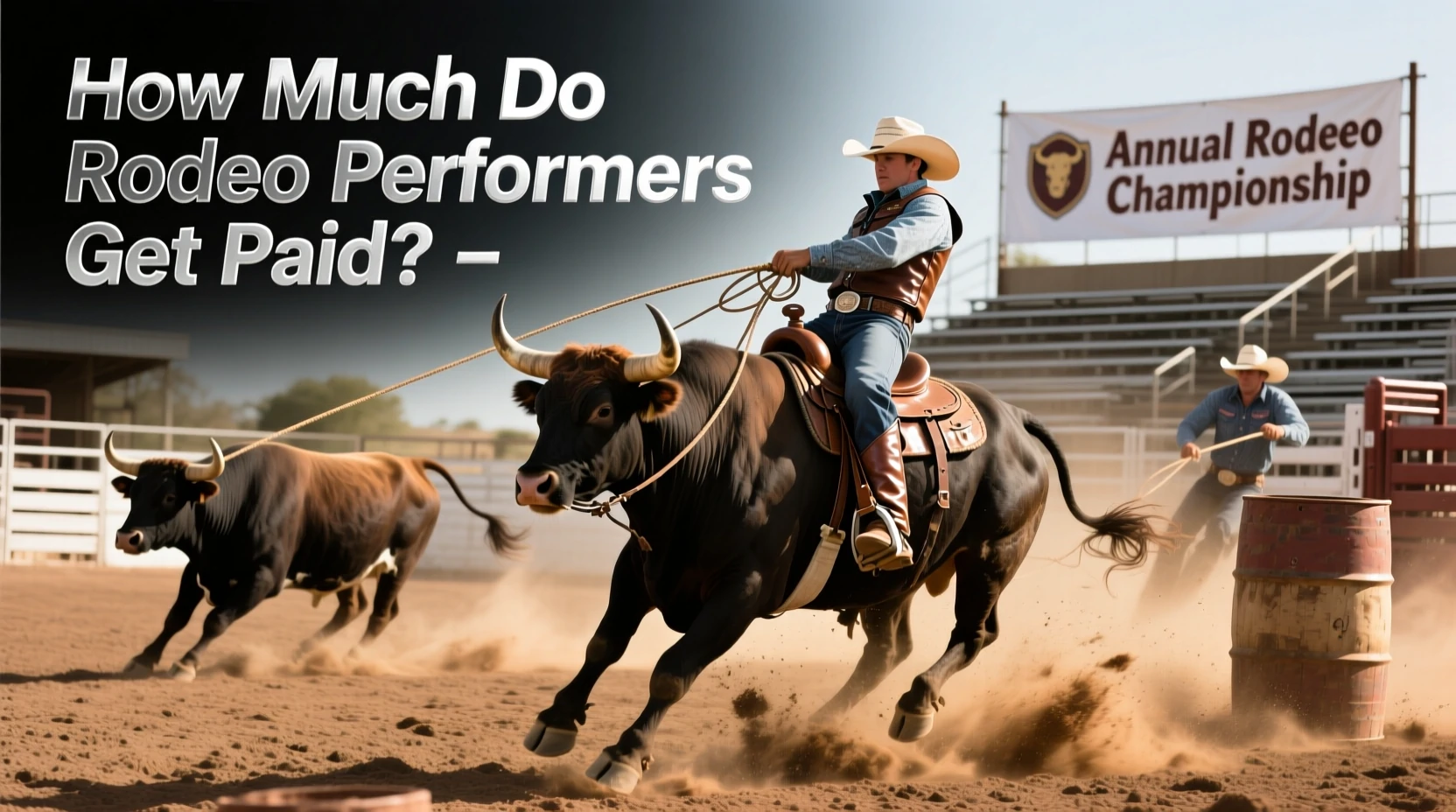
How Much Do Rodeo Performers Get Paid? Top rodeo riders are potentially earning $300,000 per year through prize money and sponsorships, while the average rider earns about $37,608 annually.
Table of Contents
When the dust settles in the arena, rodeo performers face a reality far removed from the glamour of the spotlight: a complex financial landscape where headlines of massive prize money mask a story of high risk and razor-thin margins. For U.S. audiences fascinated by this popular Western sport, understanding the economics of rodeo means examining the winner to see a performance-based income structure where athletes are independent contractors who bear all expenses.
The Stark Financial Reality: Income Tiers
Unlike traditional athletes with guaranteed contracts, rodeo competitors live on 100% performance-based income, creating extreme disparities.
- The Elite (Top 1%): Superstars like Stetson Wright can earn more than $675,000 a season through prizes and endorsements. In the current PRCA season, the top performers in each event have already won $100,000.
- The Middle Class (Top 15%): Consistent performers net between $20,000 and $60,000 annually after expenses, often needing a secondary income.
- The Majority (~84%): Most Professional Rodeo Cowboys Association (PRCA) cardholders earn less than $30,000 from rodeos, with many operating at a net loss after travel, fees, and equipment.
Revenue Streams and Hidden Costs
How Performers Earn Money
- Prize money: The primary source. Large rodeos like RodeoHouston award event champions $65,000, while smaller local rodeos may only offer $1,000-$2,000 per win. About 60% of the PRCA’s $50 million annual prize pool is won by just 15% of competitors.
- National Finals Rodeo (NFR): The “Super Bowl” of rodeo, with a purse of $11.25 million. World champions can earn more than $300,000 from this event alone.
- Sponsorships: Important for stability, but mostly reserved for high-level winners. Deals with brands like Wrangler or Yeti provide support, while mid-level riders might just get free gear.
The Hidden Cost of the Road
The gross prize money is misleading. A competitor winning $150,000 likely faces:
- Travel: $40,000-$60,000 (fuel, truck maintenance, trailer)
- Entry Fee: $25,000 (average $150-$300 per rodeo)
- Equipment and Horse Maintenance: $15,000+
- Health Care: $10,000+ (due to higher risk of injury)
This can leave a net income of only $37,500, a challenging reality that turns a few injuries into financial disaster.
Rodeo riders
- High earners: Some top riders, especially in events like bull riding, can earn more than $300,000 in prize money alone. The Cowboy Channel notes that in 2023, some elite athletes earned more than $100,000 in prize money in a single season. They can also earn an additional $100,000 to $150,000 in sponsorships.
- Average income: According to ZipRecruiter, the average annual salary for a rodeo rider is about $37,608, or $18 per hour.
- Low earners: New or less experienced riders can earn only a few thousand dollars a year and often need a second job to support themselves.
Other Rodeo Jobs
- Ranch hand: The average salary is about $36,406 per year.
- Rodeo stock contractor: The average annual salary for this role is about $52,703, but it can vary because it often depends on the profit of the independent business after expenses are paid.
- Professional Rodeo Cowboys Association (PRCA): For those working for the organization, salaries vary by role. A staff accountant makes about $46,905 per year, while a vice president of business development can make up to $122,823 per year, Indeed reports.
History and Evolution of Rodeo Economics
The financial structure of rodeo reflects its evolution from informal competitions to organized sport. Its roots can be found in the Mexican vaquero traditions of the 1550s, where the skills of ranch hands were tested. These gatherings evolved into public spectacles. Professionalization accelerated in 1936 with the formation of the Cowboy Turtle Association (later the PRCA), which established standard rules and fought for better compensation for cowboys, who had previously often been exploited by promoters.
Rules, Scoring, and Safety: The Framework of Earning
It is important to know the rules and scoring system to understand how money is won.
Competition Structure and Scoring
- Roughstock events (bareback, saddle bronc, bull riding): Scored out of 100 points. Two judges each award 0-25 points for rider performance and 0-25 points for animal effort. In bronc riding, riders must hold the reins for 8 seconds using one hand, with strict rules such as “marking out” (proper spur placement).
- Timed events (steer wrestling, roping, barrel racing): Scored entirely by time, with penalties added in seconds. For example, in team roping, a 10-seconds penalty is assessed for breaking an obstacle too early.
Safety and Its Financial Impact
Safety is paramount, governed by the PRCA’s strict rules on equipment and animal welfare. Medical expenses from injuries represent a significant and unexpected financial burden for performers, as most lack comprehensive health insurance. A major injury can end a season and wipe out savings.
Original Insights and Case Studies
Case Study: The Economics of a Champion
World champion tie-down roper Riley Webb earned more than $108,000 early in the 2025 season. His success at major rodeos provides financial stability that allows for better travel and horse care – creating a competitive advantage that compounds over time, reflecting the dynamic of “the rich getting richer” in rodeo.
Expert Opinion
“People see the pay at the NFR, but they don’t see the 50-week investment,” notes Steve Kenyon, a PRCA saddle bronc rider. “You’re an independent contractor running a small business where your body is the product. Most guys’ net profit is minimal. They’re not in it for the money; they’re in it for a lifestyle. The paycheck is just a means to keep the dream alive for another season.”
Frequently Asked Questions for How Much Do Rodeo Performers Get Paid?
What percentage of rodeo performers make a living wage?
Only 15-20% earn a sustainable middle-class income from rodeo alone. The majority need secondary jobs or family support.
How does the NFR impact annual earnings?
The NFR can represent 30-50% of an elite competitor’s annual income. Qualifying is the single most important financial goal.
Are there earning differences between roughstock and timed events?
The prize money may be comparable, but competitors in timed events have higher expenses for their horses. However, they have more opportunities for secondary income through training and selling horses.
What is the biggest financial misconception about rodeo?
That actors get paid well. After expenses, most invest less than the net minimum wage for their hours spent training, traveling, and competing.
Passion Over Paycheck
The economics of professional rodeo ultimately reveal a sport driven more by personal passion than by cultural tradition and financial gain. While television highlights six-figure prizes, for most the reality involves significant financial risk and physical sacrifice. The modern rodeo performer must be an athlete, a business manager, and a logistics coordinator – all while maintaining a connection to centuries of Western heritage. It’s a calling where success is measured as much in strength as in dollar signs.