


How Much Does a Pro Rodeo Cowboy Make? A professional pro rodeo cowboy can earn anywhere betweeen $20,000 to as much as $800,000 per year, as they do not earn a fixed salary and must win competitions to be compensated. Since rodeo athletes essentially work as “professional gamblers,” their annual income is entirely dependent on performance, health, entry fees, and corporate sponsorships.
A standard professional rodeo cowboy typically earns between $40,000 and $70,000 annually in prize money; however, the majority of PRCA cardholders make less than $30,000 each year from competition. The costs associated with competing range from $50,000 to $100,000 per year. Given that rodeo earnings are entirely performance-based with no guaranteed pay, the gap between the highest and lowest earners is significant.
Entry-level cowboys on permits often earn $5,000 – $20,000 (and often lose money after expenses). Veterans who qualify for the National Finals Rodeo can earn $150,000 to $800,000+ per year. Only an estimated 15 – 20% of pro cowboys make a full-time living from rodeo alone.
- “Average” can be misleading. A rodeo rider can earns at around $37,600, but a few stars earn six or seven figures while most stars earn much less.
- Costs are huge. A full PRCA season runs about $50,000 minimum – card, 100 entry fees, and 75,000 – 100,000 miles of travel.
- The NFR changes everything. The 2025 NFR paid contestants a record $13.5 million (part of a $17.5M total purse).
- Take-home ≠ winnings. A cowboy who earns $150,000 may be left with less than $40,000 after travel, fees, horses and medical expenses.
Table of Contents
What Is the Average Salary for a Rodeo Cowboy?
Rodeo is not a paid job – it is a performance-based, pay-to-play sport where a handful of athletes make most of the money and the majority earn much less.
PRCA average salary” of about $43,000. That number describes people employed by the Professional Rodeo Cowboys Association office (accountants, staff) – not what cowboys win in the arena. Competing cowboys are independent contractors, so their real income looks very different.
Here’s a realistic picture by level: This guide explains how much rodeo cowboys really make based on their experience, events, and competition level.
| Level | Typical gross from competition | Reality |
|---|---|---|
| Amateur / part-time | $10,000 – $15,000 | Rarely covers expenses; a hobby or side pursuit |
| Mid-level pro (PRCA card) | $30,000 – $70,000 | Sustainable only with budgeting or a second income |
| Elite / NFR qualifier | $150,000 – $400,000 | A genuine professional living |
| Superstar (top 1 – 2%) | $400,000 – $1M+ | Prize money plus major sponsorships |
2025 to 2026 Rodeo Earnings Trend
Estimated annual earnings by competitor level
$10K–$15K Average Pro
$30K–$70K Elite / NFR qualifier
$150K–$400K+ Superstar (top 1–2%)
$200K–$1M+
Source: cowboylifestylenetwork.com
How Much Do Rodeo Performers Get Paid?
Rodeo performers are paid fundamentally differently than salaried athletes: There is no base salary and no guaranteed contract. Every dollar won is based, depending on the event, purely on your placement. Two cowboys at the same rodeo may walk away with completely different checks – or one with nothing at all.
The size of the payout depends almost entirely on the size of the rodeo:
- Small local rodeos: The event winner may take home just $1,000 – $2,000.
- Large regular-season rodeos: A major like Rodeo Houston pays its event champions $65,000 from the final round.
- National Finals Rodeo: A round win is worth about $27,000, and the overall winner in each event earns about $69,000 – the event’s world champions have cleared $300,000 over ten nights.
This prize money comes from two pools: the rodeo’s “added money” (put in by the committee and sponsors) and the contestants’ own entry fees. Because performers also cover their own travel, entry fees, horse maintenance and insurance, what they are paid and what they keep are two completely different numbers. In short: rodeo performers get paid only when they win, only as much as the rodeo offers, and only after their own expenses are covered.
Earnings by Career Stage
The difference between a rookie and a ten-year veteran is dramatic. Professional rodeo runs on a progression, and earnings climb (or stall) with standing, skill, and the ability to absorb early losses.
Years 1 – 2: The Begining Stage
Before earning a PRCA card, cowboys compete on a permit and must win at least $1,000 in PRCA-sanctioned events. The permit itself costs about $300. Most permit holders earn $5,000 – $20,000 in their first year, and many operate at a loss after the trip.
Years 3 – 5: Building a Career
With a card, cowboys enter 100+ rodeos a year, paying an entry fee of about $12,500 – $30,000 before traveling. Gross winnings of $20,000 – $50,000 are common, and expenses often exceed income.
Years 5 – 10: The Growth Years
Strong performers have gross incomes of $50,000 – $150,000, although net income after expenses typically reaches $20,000 – $60,000.
Year 10+: NFR Qualification
Qualifying for the National Finals Rodeo – the top 15 in each event – can double a cowboy’s annual income and push the best into the $150,000 – $600,000+ range.
Typical gross earnings by career stage
Range of yearly prize money before expenses. Scale: 0 → $600K
What It Costs to Compete
Take-home pay is much less than winnings because cowboys fund their entire operation. Industry estimates put a full PRCA season at about $50,000 on the low end, up from more than $100,000 for those flying to distant rodeos and caring for horses. A widely cited breakdown ” Cowboy Math” looks like this:
| Expense | Typical annual cost |
|---|---|
| PRCA card + insurance premium | $300 deposit + dues ($2,500 total) |
| Entry fees (100 rodeos at $125 – $300) | $15,000 – $30,000 |
| Fuel & vehicle (75,000 – 100,000 miles) | $25,000+ |
| Flights, lodging & food | $10,000 – $25,000 |
| Horses & equipment (timed-event cowboys) | $10,000 – $20,000 |
| Health insurance & medical | $10,000+ |
Gross vs. Take-Home: A Real Case Study
To understand the difference between wins and earnings, consider the case of “Cody,” a fictional mid-level bareback rider enjoying a successful season.
| Gross prize money won | $150,000 |
|---|---|
| Travel (fuel, flights, truck upkeep) | $50,000 |
| Food & lodging | $20,000 |
| Entry fees | $20,000 |
| Equipment, horses & vet | $15,000 |
| Health insurance & medical | $10,000 |
| PRCA dues & insurance | $2,500 |
| Net take-home income | = $32,500 |
A few injuries or a bad streak can fully deplete that margin. This “feast or famine” equation illustrates why so many talented Cowboys leave the sport – and emphasizes the necessity of financial planning as much as skill.
Earnings by Event (Discipline)
Some events pay more, both because of the purse structure and because multi-event roping cowboys can collect paychecks. Treat these as a wide range for established professionals, not a guarantee.
| Event | Typical range (established pros) | Notes |
|---|---|---|
| Tie-down roping | $60,000 – $300,000+ | High ceiling; requires elite, expensive horses |
| Team roping (header/heeler) | $50,000 – $250,000 | Two paychecks per run; strong at the top |
| Bull riding | $40,000 – $300,000+ | Big PBR/PRCA purses but high injury risk |
| Saddle bronc & bareback | $40,000 – $250,000 | Among the top regular-season earners now |
| Steer wrestling | $40,000 – $180,000 | Lower ceiling; heavy travel |
| Bullfighting (freestyle) | $35,000 – $200,000 | Essential safety role, often underpaid for risk |
Where the Big Money Is: NFR, Houston & The American
The National Finals Rodeo (NFR)
The NFR in Las Vegas is the world’s richest rodeo, and its purse has been running for five years. In 2025, it paid out a record $13.5 million to competitors as part of a total purse of $17.5 million, with single-round wins worth about $27,000 and the average winner taking home about $69,000 per event. For an elite cowboy, the NFR can account for 30-50% of a year’s income.
NFR contestant purse, 2021–2025
Prize money paid to contestants (excludes stock contractor pay). Scale: 0 → $14M
RodeoHouston & The American
RodeoHouston is the richest regular-season rodeo: In 2025, it increased its total purse to nearly $2.53 million, and each event champion banked $65,000 from the final round alone (the winners’ entire event total was about $69,000–$73,500). American Rodeo pays $10,000 to each regional finals winner before the athletes advance to the main event, where six- and seven-figure prizes are on the table.
What a single win pays — from local to major
Approximate prize for one win. Scale: 0 → $70K
The year 2025 provides clear examples of earnings distribution:
At the Houston Rodeo,
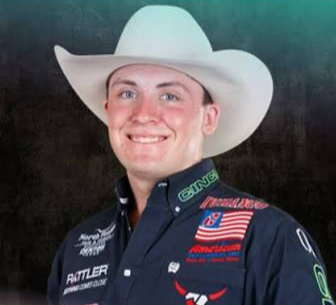
Tie-Down Roper – Riley Webb took home $73,500.
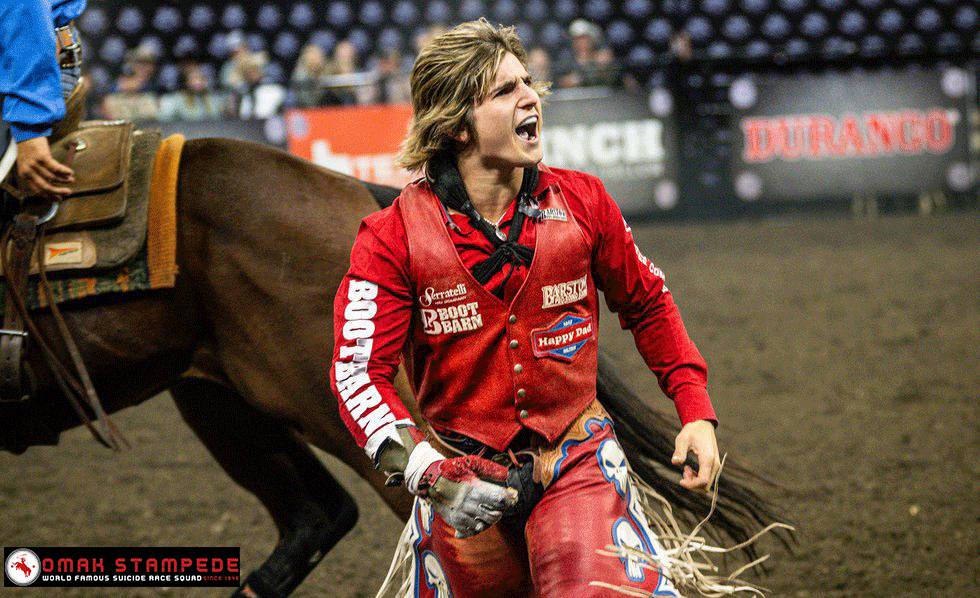
Bareback Rider – Rocker Steiner earned $71,000. Steiner’s remarkable earnings of almost $303,547 at the 2025 NFR demonstrate how advantageous streaks can occur at significant competitions.
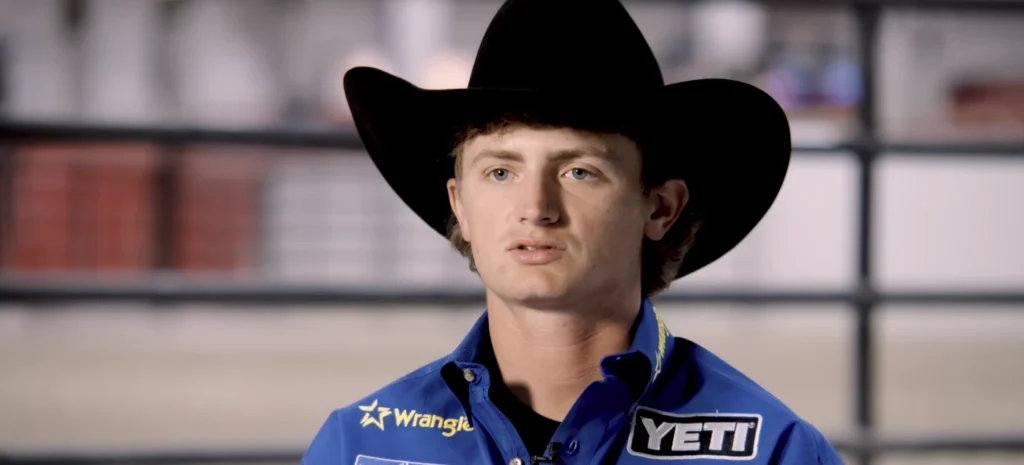
Saddle Bronc Rider – Ryder Wright received $72,750.
Why Most Cowboys Don’t Get Rich?
Rodeo’s economics are top-heavy. By widely reported estimates, roughly the top 15% of competitors take home around 60% of the prize money, and most cardholders earn under $30,000 from competition. That’s the untold story behind the highlight-reel checks.
How rodeo prize money is distributed
Approximate share of total winnings, widely reported estimate
Income Beyond Prize Money
For Cowboys who reach financial stability, prize money is only part of the picture. The rest comes from:
| Source | Who gets it & how much |
|---|---|
| Sponsorships & endorsements | Proven winners sign with Wrangler, Cinch, Ariat or RAM – commonly $30,000–$50,000+ a year; far more for marquee names |
| PBR Team Series contracts | Salaried roster spots for top bull riders |
| Clinics, coaching & appearances | Steady supplemental income for established names |
| Ranching, training & off-season work | The financial backbone for the majority of the field |
Original Insights: The Mental and Financial Toll
Financial instability creates a huge mental burden. The pressure to perform to meet next week’s fuel costs is overwhelming. This leads to a “feast or famine” model:
- Burnout: Many talented Cowboys quit early due to the constant travel and financial stress.
- Loans: Many people take out significant loans to fund their careers, hoping for a big win to pay it off.
- Lack of benefits: Unlike major league athletes, they have no retirement plans, guaranteed contracts, or union-protected healthcare.
Expert Opinion: The Value Beyond the Dollar
“People see the payoff at the NFR, but they don’t see the 50-week investment it takes to get there,” says Steve Kenyon, a PRCA saddle bronc rider and founder of Bronc Riding Nation. “You’re an independent contractor running a small business where your body is the product. Most guys’ net profit is part of the whole. They’re not in it for the money; they’re in it for a lifestyle that’s disappearing. The paycheck is just a means of keeping the dream alive for another season.”
This expert opinion underscores an important point: For most, rodeo is a passion project, not a get-rich-quick scheme.
How Omak Stampede Analyzes Rodeo Cowboy Earnings
At Omak Stampede, our earnings analysis looks beyond headline prize money to show what professional rodeo cowboys actually face on the road. Every event entry is a financial decision, not just a competitive one. Cowboys must compare entry fees, fuel, lodging, equipment costs, and travel time with the available purse and their odds of placing. This is why rodeo income can vary so widely from one competitor to another. Over a full season, those small financial decisions can decide whether a cowboy ends the year in profit or loss.
Frequently Asked Questions for How Much Does a Pro Rodeo Cowboy Make?
How much do rodeo cowboys make?
It depends entirely on the level. Amateurs earn $10,000 – $15,000, mid-level pros gross $30,000 – $70,000, and elite NFR qualifiers earn $150,000 – $600,000+ annually. Most PRCA cardholders, though, earn less than $30,000 from competing before covering their travel and entry costs.
How much does the average pro rodeo cowboy make?
The average prize money for a typical mid-level professional is around $40,000 – $70,000, although most PRCA cardholders earn less than $30,000 from competition but earnings vary greatly by skill and event.
How much does it cost to compete in pro rodeo for a year?
At least about $50,000 – which includes a PRCA card, about 100 entry fees, and 75,000–100,000 miles of travel – and often $100,000+ for cowboys who fly to far-distant rodeos and take care of the horses.
How much can you make at the NFR?
The 2025 NFR paid out a record $13.5 million to competitors. A single round win was worth about $27,000, and the average winner in each event earned about $69,000. The event’s world champion can clear $300,000 from the finals alone.
Do rodeo cowboys get a salary?
No, they are independent contractors who are paid only through award money, with no base salary, guaranteed contract, or employer health insurance.
What percentage of rodeo cowboys make a living at it?
Only an estimated 15-20% make a full-time living from rodeo alone. The majority rely on other jobs, farm work, or family support.
Which rodeo event pays the most?
Tie-down roping, team roping, and bull riding offer the greatest earning potential for seasoned professionals, in part due to the ability of cowboy ropers to compete in various events.
In recent seasons, saddlebred and bareback riders have topped the regular season earnings.
Sources
- The Official NFR Experience – PRCA / Las Vegas Events contract & 2024 – 2025 purse breakdown (nfrexperience.com)
- CalfRoping.com – NFR payout history 2021 – 2025
- RodeoHouston / Houston Livestock Show & Rodeo – 2025 purse increase to $2.53M; $65,000 event champions
- Sports Illustrated / FanNation Rodeo – “Cowboy Math: The Price It Takes to Compete” & 2025 RodeoHouston results
- The American Rodeo – official rules & payouts
- ZipRecruiter & Salary.com – rodeo rider and PRCA salary estimates (labor-market data)
- Cowboy Lifestyle Network – amateur earnings estimates