
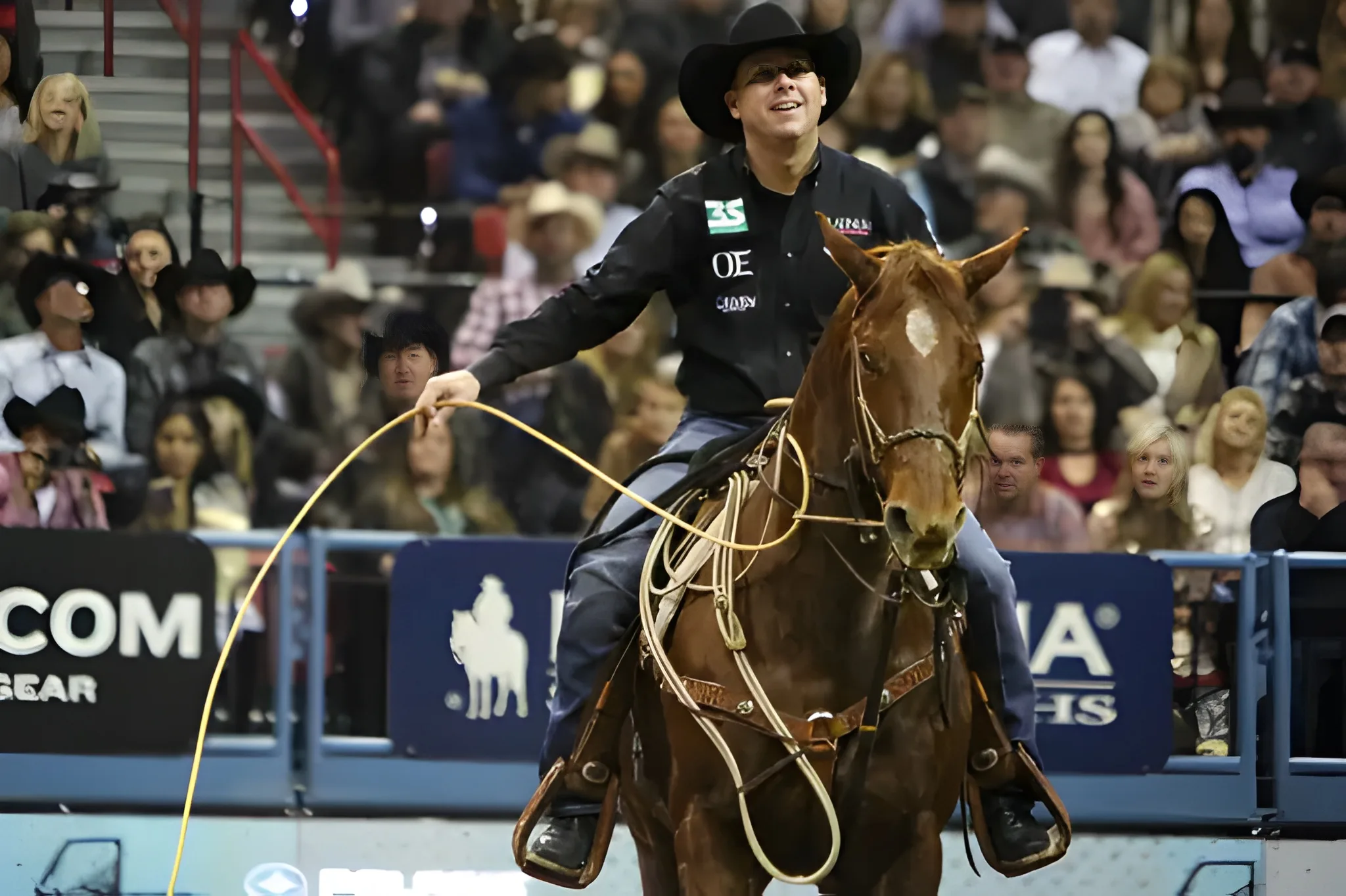

Who is the Richest Rodeo Cowboy? The richest rodeo cowboy is Trevor Brazile, who holds the all-time Professional Rodeo Cowboys Association (PRCA) career earnings record with over ($7.07) million. A dominant force in rodeo, he is the only cowboy to surpass the $6+ million mark, far more than any other competitor in ProRodeo history.
The richest rodeo cowboy in traditional rodeo is Trevor Brazile, the most decorated cowboy in PRCA history. He has earned nearly $7.07 million in career prize money and won a record 26 world championships – the first cowboy to surpass the $7 million mark.
When considering all rodeo and western disciplines, including bull riding within the PBR, the all-time highest-earning rodeo athlete is Brazilian bull rider José Vitor Leme, who has accumulated approximately $8.32 million in career earnings. Among current cowboys, Stetson Wright holds the title of the wealthiest: in early 2026, he became the second PRCA cowboy ever, following Brazil, to exceed $4 million in career earnings.
- Career earnings ≠ net worth: The PRCA/PBR keeps a record of the prize money; the online ‘net worth’ figures are approximations that include sponsorships, ranching, and various businesses.
- Traditional rodeo (PRCA): Trevor Brazile, $7.07M, 26 titles – the all-time leader.
- Bull riding (PBR): José Vitor Leme, $8.32M – the richest Western athlete ever, having passed J.B. Mauney in 2025.
- Active leader: Stetson Wright, $4M+ and 10 world titles by age 26.
Table of Contents
Career Earnings vs. Net Worth – What “richest” really means
Before naming names, it helps to separate two numbers that are often confused. Career earnings are the prize money a cowboy has banked in officially sanctioned competition – both the PRCA and PBR publish them, so they are verifiable. Net worth is an estimate of everything a person has after deducting debts: prize money, sponsorships, ranch and livestock assets, business ventures, and media income. Almost every online “rodeo network” figure is an unverified estimate.
Since earnings are documented and net worth is not, this guide ranks cowboys by verified career prize money, treating net worth as context rather than fact. The difference is that two different cowboys could both be called “the richest” – it depends on which organization and which number you’re referring to.
The Richest Rodeo Cowboy: Trevor Brazile
Watch Video: King of the Cowboys
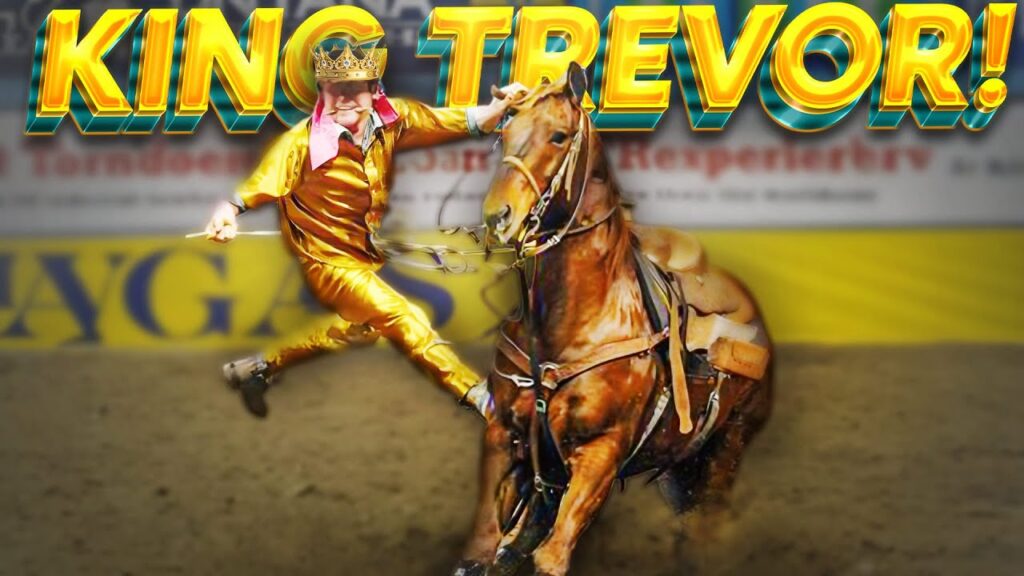
In traditional rodeo, the reality is quite different. Trevor Brazile, born in Amarillo, Texas, in 1976 and famously referred to as the ‘King of the Cowboys,’ retired from full-time competition as the most successful rodeo competitor in PRCA history. He secured a record 26 world championships in all-around, tie-down roping, team roping, and steer roping, which includes an impressive 14 all-around titles. Brazile qualified for the National Finals Rodeo 31 times and was inducted into the Pro Rodeo Hall of Fame in 2022.
Financially, Brazile not only led but also set new benchmarks. He was the first cowboy to achieve career earnings of $2 million, $3 million, $4 million, and finally $7 million, finishing with nearly $7.06 million in PRCA prize money. For most of the past decade, no other cowboy has even surpassed $3.6 million.
Trevor Brazile’s road to $7 million
First cowboy in PRCA history to reach each milestone
- 2006Becomes the 7th cowboy (and youngest at the time) to pass $2 million in career earnings.
- 2008First PRCA cowboy ever to cross $3 million.
- 2010–11Passes $4 million; sets a single-season record of about $508,000.
- 2015Raises his own single-season record to roughly $518,000.
- 2020Wins his record 26th world title and becomes ProRodeo’s first-ever $7 million cowboy.
PRCA All-Time Money Leaders
Here is how the traditional-rodeo career-earnings list stacks up. Trevor Brazile sits alone at the top; Stetson Wright is the only other cowboy to have reached the $4 million tier.
PRCA career earnings — all-time leaders
Verified career prize money (rounded)
| Cowboy | Career Earnings | World Titles | Best known for |
|---|---|---|---|
| Trevor Brazile | $7.06M | 26 | All-around, tie-down & steer roping; richest in PRCA history |
| Stetson Wright | $4.0M+ | 10 | Bull riding & saddle bronc; richest active cowboy |
| Cooper, Beaver, Whitfield (historic) | $3M tier | Multiple | Long-career roping greats |
Bull Riding’s Richest: The PBR Money List
Bull riding pays differently. The PBR’s single-event and World Finals purses are the richest in Western sports, which is why the all-time bull riding money list now tops every traditional cowboy. In May 2025, José Vitor Leme won his third PBR World Championship and passed J.B. Mauney to become the richest rider in PBR history, with career earnings of nearly $8.32 million. He also set a single-season record of nearly $2.15 million that year and owns the highest-scoring ride in PBR history (98.75 points on Bull Woopa).
J.B. Mauney – the first bull rider to reach $7 million and a two-time world champion – is second in PBR official earnings with nearly $7.42 million (nearly $7.6 million, based on his PRCA wins). Three-time champion Silvano Alves is in the top three.
PBR career earnings — all-time leaders
Verified career prize money (rounded)
| Rider | PBR earnings | World Titles | Signature record |
|---|---|---|---|
| José Vitor Leme | $8.32M | 3 (2020, 2021, 2025) | Highest-scored ride ever: 98.75 pts |
| J.B. Mauney | $7.42M | 2 (2013, 2015) | First bull rider to $7M |
| Silvano Alves | $6.63M | 3 (2011, 2012, 2014) | First back-to-back PBR champ |
Richest Rodeo Cowboys and Bull Riders by Career Earnings
PRCA data is based on the PRORODEO 2025 Media Guide. PBR data is based on PBR all-time money earnings.
Top PRCA Career Earnings Leaders
Top PBR All-Time Money Earners
The Richest Active Cowboy: Stetson Wright (2025–2026)
If the question is “who is the richest cowboy still competing,” the answer is Stetson Wright of Beaver, Utah – a member of the legendary Wright rodeo family and son of Pro Rodeo Hall of Famer Cody Wright. Wright rides both bull riding and saddle bronc, a brutal double that requires little effort, and the strategy has made him rodeo’s fastest earner.
After missing the entire 2024 season with a torn hamstring, Wright returned in 2025 to win both the all-around and bull riding world titles – his ninth and tenth gold buckles – and in January 2026, he became just the second cowboy to pass $4 million in career earnings, joining Brazile. Only Brazile (26), Guy Allen (18), Jim Shoulders (16), Dan Oliver (11), and Everett Bowman (10) have equaled his world title count.
Stetson Wright’s record single seasons
Total single-season earnings vs. the $1M barrier no PRCA cowboy has broken
Latest: 2025 NFR records & the 2026 season
The 2025 Wrangler National Finals Rodeo rewrote the record books and paid out a combined $13.5 million. Highlights that are important to the “Richest Cowboy” race:
| Athlete | 2025 milestone |
|---|---|
| Stetson Wright | All-around & bull riding world champion; new single-season earnings record ($940,929); 7 round wins at one NFR – matching Brazile |
| Wacey Schalla | Youngest cowboy in PRCA history to reach $1 million in career earnings — in only his second NFR |
| T.J. Gray | Won the NFR Top Gun award (most money in a single event); reserve world champion in bull riding |
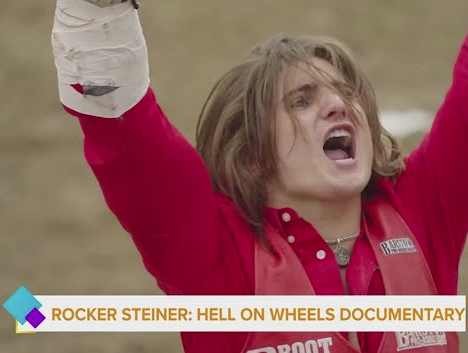
| Rocker Steiner | First bareback rider to top $300K in a regular season; $507K on the year |
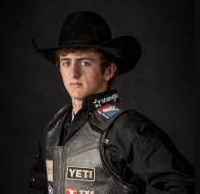
| Statler Wright | Won the 2025 saddle bronc world title as the Wright brothers swept the top three |
2026 Update: As of mid-June 2026, Stetson Wright is back on top of the PRCA all-around world standings (around $266,000), with Wacey Schalla in second place. Wright started the year still winning – taking both the all-around and bull riding titles at the Sisters, Oregon rodeo in June – putting him on track to extend his lead as rodeo’s richest active cowboy and eventually chase down Brazil’s all-time mark.
Future Richest Stars To Watch
The next generation is already earning at a pace unimaginable a decade ago – a sign of how quickly rodeos are growing.
Rising Stars
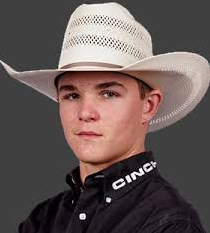
Wacey Schalla
| Events | Why could they become the rodeo’s richest |
|---|---|
| Bareback & bull riding | Youngest millionaire in PRCA history; already a world-title contender against Wright |
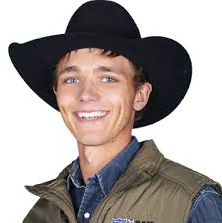
T.J. Gray
| Events | Why could they become the rodeo’s richest |
|---|---|
| Bull riding | 2025 NFR Top Gun; explosive finals earner with championship upside |
Rocker Steiner
| Events | Why could they become the rodeo’s richest |
|---|---|
| Bareback riding | Record-setting earnings and a huge marketing/sponsorship profile |
Statler Wright
| Events | Why could they become the rodeo’s richest |
|---|---|
| Saddle bronc | Reigning world champion and part of the sport’s most bankable family |
How Rodeo Cowboys Actually Get Rich
Achieving the top spot on the money list takes considerably longer than winning a competition. The richest cowboys tend to share specific traits.
Compete In Multiple Events
The most significant factor for increasing earnings is the overall route. Trevor Brazil, who competes in three roping events, and Stetson Wright, who participates in both bull riding and saddle bronc, have both received multiple paychecks at the same rodeo. While entry fees may increase, so does the potential maximum payout -Stetson Wright’s total earnings in 2025 amounted to $817,088.
Win the Mega-Purse Events
Single events are now life-changing. The American Rodeo distributes checks worth $100,000+, and the 2026 edition will award a total of over $3 million, while the PBR World Finals champion’s share alone is over $300,000. One big weekend can end an entire mid-level season.
Build Income Beyond The Arena
Elite cowboys increase their income by securing sponsorships (Wrangler, Airet, Monster Energy, Ram), receiving appearance fees, entering into PBR Team Series contracts, and engaging in ventures like farming, breeding, and selling branded products. For the richest individuals, prize money is merely the foundation, not the entirety of their earnings.
Last – and Manage It Like A Business
Most of the Rodeo athletes are independent contractors with no salary, no health insurance, and steep travel and entry costs that can run $50,000+ before a dollar of profit. Cowboys who make real money stay healthy, choose events strategically, and treat their careers like small businesses.
The Legendary All-Around Cowboy Champions: Highest Earning Potential in PRCA
One of the most effective ways to increase rodeo earnings is to compete in multiple events and win titles. All-around competitors can earn prize money in two or more disciplines, creating more opportunities to win at each rodeo.
For example, a strong earner who competed in both bull riding and saddle bronc riding earned over $7 million over the course of his career by competing in multiple events.
Although entering multiple events increases entry fees, it also increases earning potential. Winning multiple events at the same rodeo allows competitors to earn multiple payouts from a single trip, significantly increasing annual earnings.
- Annual income: $500,000 – $1 million+ during peak years
- Financial reality: This is the highest-paying stage of a rodeo career.
- How they make it: Top competitors competing in multiple events can earn more than $400,000 in prize money alone. Elite riders on the tour can exceed $1 million per year when bonuses and sponsorship income are included.
Financial Drivers Beyond the Arena
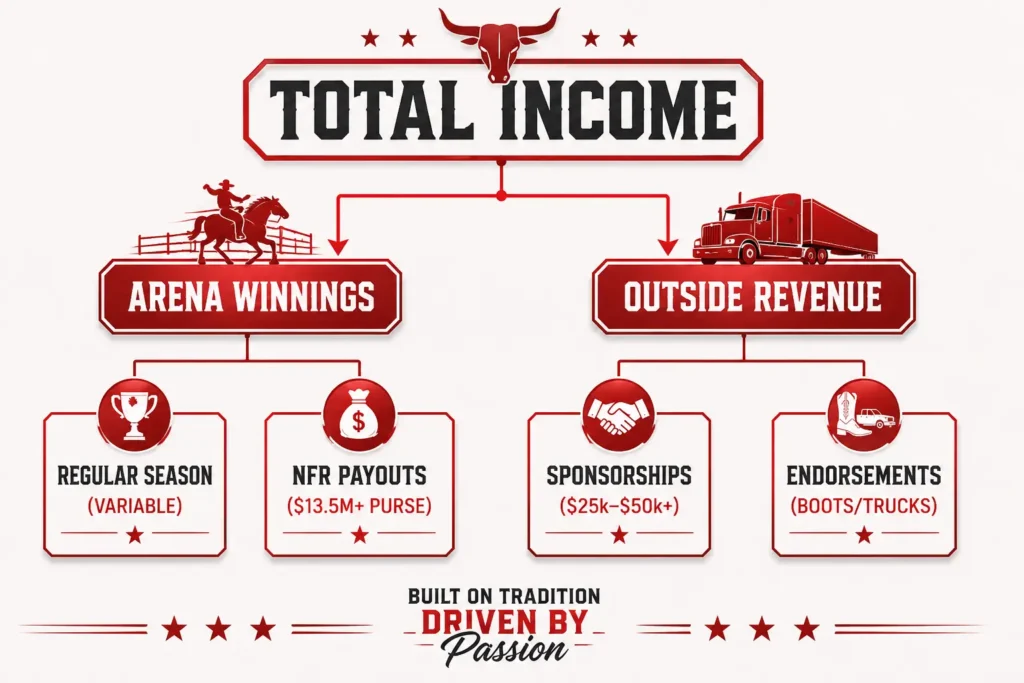
- Corporate Sponsorships: Top rodeo cowboys can earn additional income through sponsorship deals with brands like Wrangler, Ram Trucks, and Casinos. These sponsorships can add up to $25,000 to $50,000 or more per deal, increasing a cowboy’s overall income.
- Career longevity by event: Cowboys in timed events, such as team roping and steer wrestling, can often compete into their 40s. In contrast, roughstock athletes, including bull riders and bareback riders, typically have shorter careers due to the higher risk of injury, often retiring in their early 30s.
Expert Opinion: The Passion Behind the Paycheck
The financial instability of rodeo life begs the question: Why is that? Industry experts confirm that passion, not profit, is the primary motivation for most competitors.
“People see the pay at the NFR, but they don’t see the 50-week investment it takes to get there,” says Steve Kenyon, PRCA saddle bronc rider and founder of Bronc Riding Nation. “You’re an independent contractor running a small business where your body is the product. Most guys’ net profit is part of the whole. They’re not in it for the money; they’re in it for a lifestyle that’s disappearing. The paycheck is just a means of keeping the dream alive for another season.”
This expert opinion suggests that for the majority, rodeo is a passion project. Financial rewards, while potentially important, are often secondary to winning championship titles and preserving a beloved culture.
Frequently Asked Questions About Who is the Richest Rodeo Cowboy?
These are the most common questions we hear about rodeo cowboy earnings.
Who is the richest rodeo cowboy of all time?
In traditional rodeo, Trevor Brazile is the richest, with PRCA career earnings of about $7.07 million and a record 26 world titles. Counting bull riding, the PBR’s José Vitor Leme has the most career earnings of any rodeo athlete at about $8.32 million.
Who Is The Richest Rodeo Person?
The richest PBR rodeo rider by career earnings is Jose Vitor Leme, with over $8.32 million in winnings. He is followed by J.B. Mauney, who has earned over $7.42 million in his PBR career. In traditional PRCA rodeo, Trevor Brazile is often considered one of the richest and most successful rodeo cowboys, with career earnings of over $7.06 million.
Who is the richest active rodeo cowboy?
Stetson Wright. In early 2026, he became the second cowboy to surpass $4 million in PRCA career earnings, after Brazil, and by the age of 26 he had 10 world titles.
Do rodeo cowboys have a guaranteed salary?
No. PRCA rodeo cowboys are independent contractors who earn income based on 100% performance. There is no guaranteed base salary, no employer-provided health insurance, and no retirement plan. Every dollar is earned by placing in the events. This is fundamentally different from most professional sports, and that is why financial planning is one of the most important skills a rodeo cowboy can develop.
What is the difference between career earnings and net worth?
The term career earnings refers to the officially documented prize money released by the PRCA and PBR.
On the other hand, net worth is an unofficial valuation that includes sponsorships and assets, so any rodeo net worth number should be considered an estimate.
Has any cowboy ever won $1 million in a single season?
Not yet in the PRCA. Stetson Wright came closest with a record season of nearly $940,929 in 2025 – just short of that milestone.
Can a rodeo cowboy make a living wage?
Yes, but only in 15-20% of competitors. Consistent PRCA competitors earn $20,000 to $60,000 annually after mid-level expenses, which is a living wage but requires careful financial management. The majority of PRCA cardholders need a secondary source of income – farm work, coaching, a family business, or another job – to support their competitive careers. The few who reach NFR eligibility and maintain it for multiple seasons can build a truly comfortable career.
How many world titles does Trevor Brazile have?
World Titles 26 – the most in PRCA history – including a record 14 all-around championships.
What This Looks Like at the Omak Stampede
What we observe in our arena every year shows exactly what the data shows nationally. The cowboys who do it successfully aren’t just doing it for the money. They’re doing it. They grew up in rodeo culture because their families have competed for generations, and because the sport demands a level of dedication and grit that no salary can fully capture.
Rodeo is getting rich. And for cowboys committed to the grind – those who enter 100 rodeos a year, drive 100,000 miles, and treat their careers like a business – the financial rewards are better than ever.
The guys who last – the ones who build careers that extend into their 30s and create real financial stability – are almost always the ones who approach competition like a business. They track their expenses carefully, choose their events strategically, build sponsor relationships early, and plan for life after competition well in advance of need.
Sources
- Professional Rodeo Cowboys Association – official world standings & contestant earnings (prorodeo.com)
- Professional Bull Riders – all-time money earnings standings (pbr.com)
- PBR.com – “José Vitor Leme rewrites the PBR history books” (May 2025)
- TSLN.com – “Stetson Wright makes history as second cowboy to reach $4 million” (Feb 2026)
- The Cowboy Channel – “NFR Earnings Records Rewritten” (Dec 2025)
- Sports Illustrated / FanNation Rodeo – Wacey Schalla $1M milestone (Dec 2025)
- ProRodeo Hall of Fame & Wikipedia – Trevor Brazile career record