
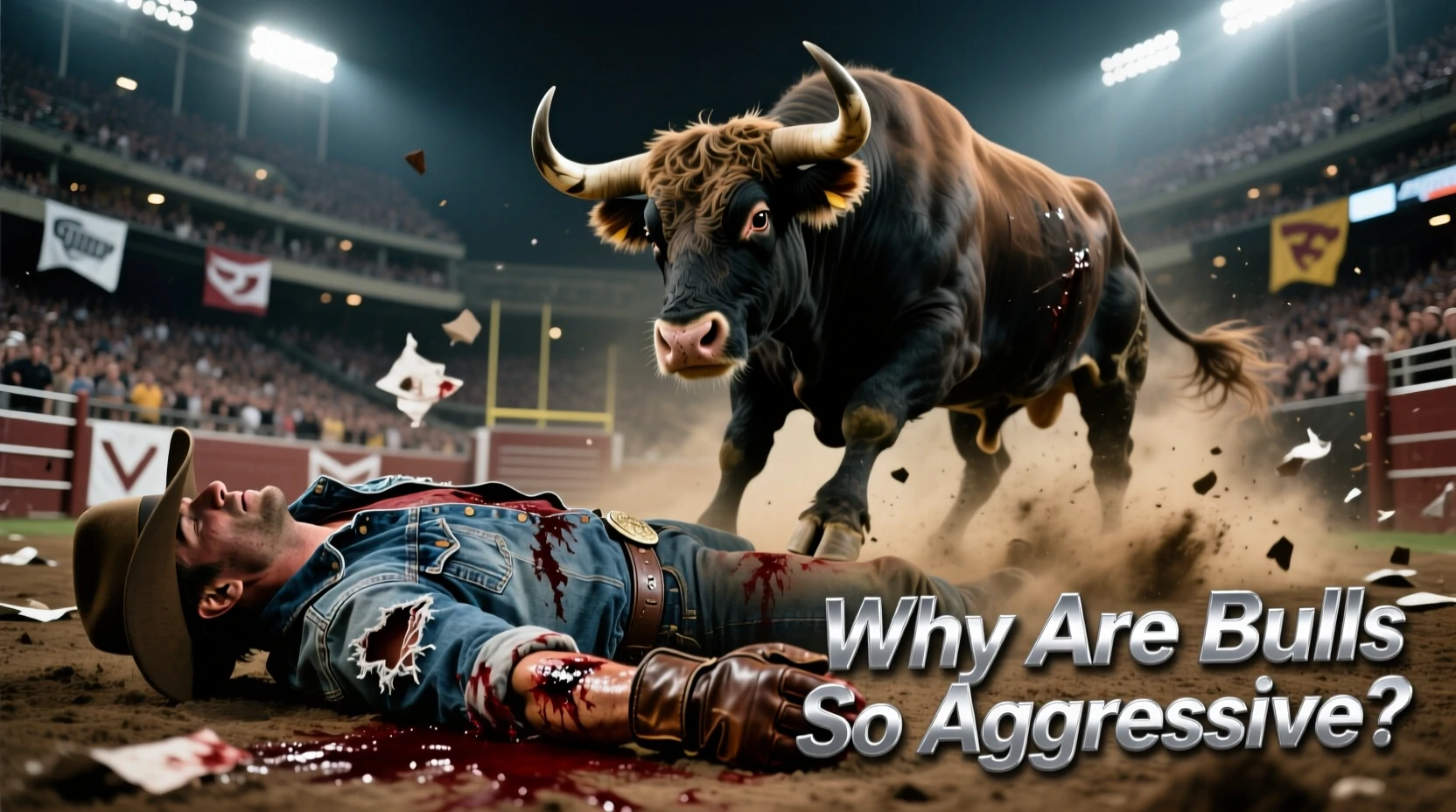
Why Are Bulls So Aggressive? Bulls are aggressive due to a combination of hormones (such as testosterone), the instinct to establish dominance and protect territory/mates, and environmental factors such as confinement or perceived threats, which lead to territoriality, frustration, and fear-based reactions that manifest as charging or bucking, specifically selected for this fight.
Table of Contents
Hormonal & Natural factors
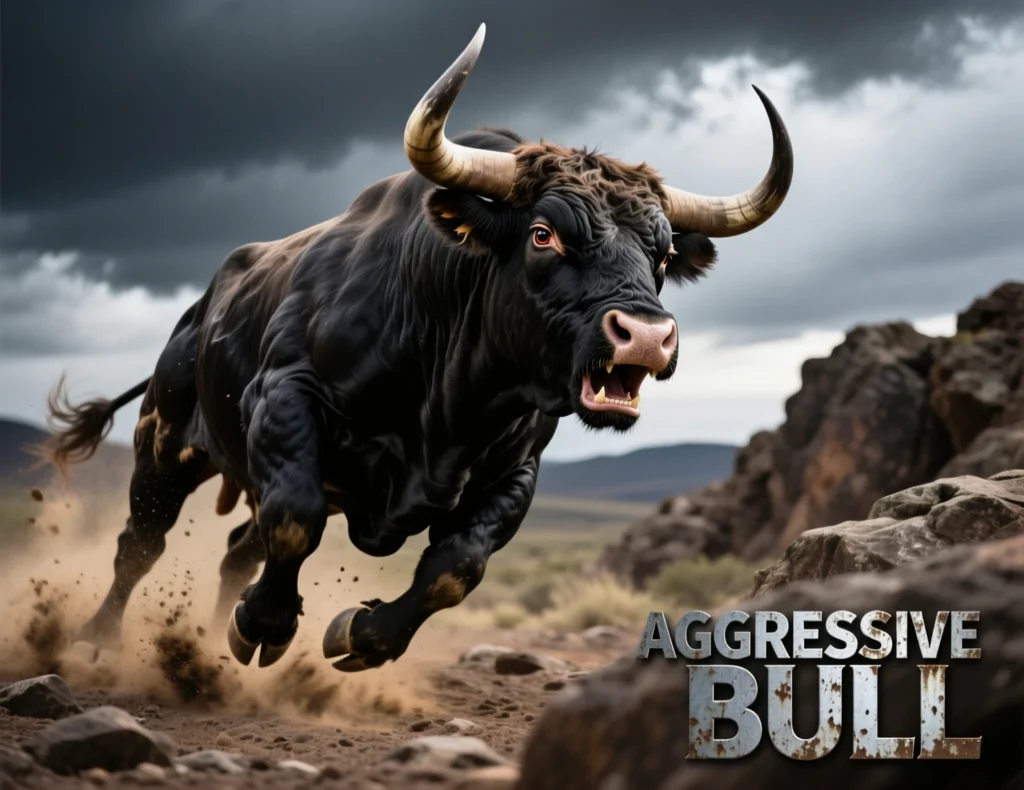
- Testosterone: High levels of testosterone drive aggressive, territorial, and mating behavior in male cattle, a trait that is magnified in fighting breeds.
- Dominance and Territory: Bulls naturally fight to establish a hierarchy and control breeding rights, making them inherently competitive and protective of their space and females.
- Evolution: Aggression is a survival trait, helping them defend their herd and mates.
Environmental & Situational Triggers
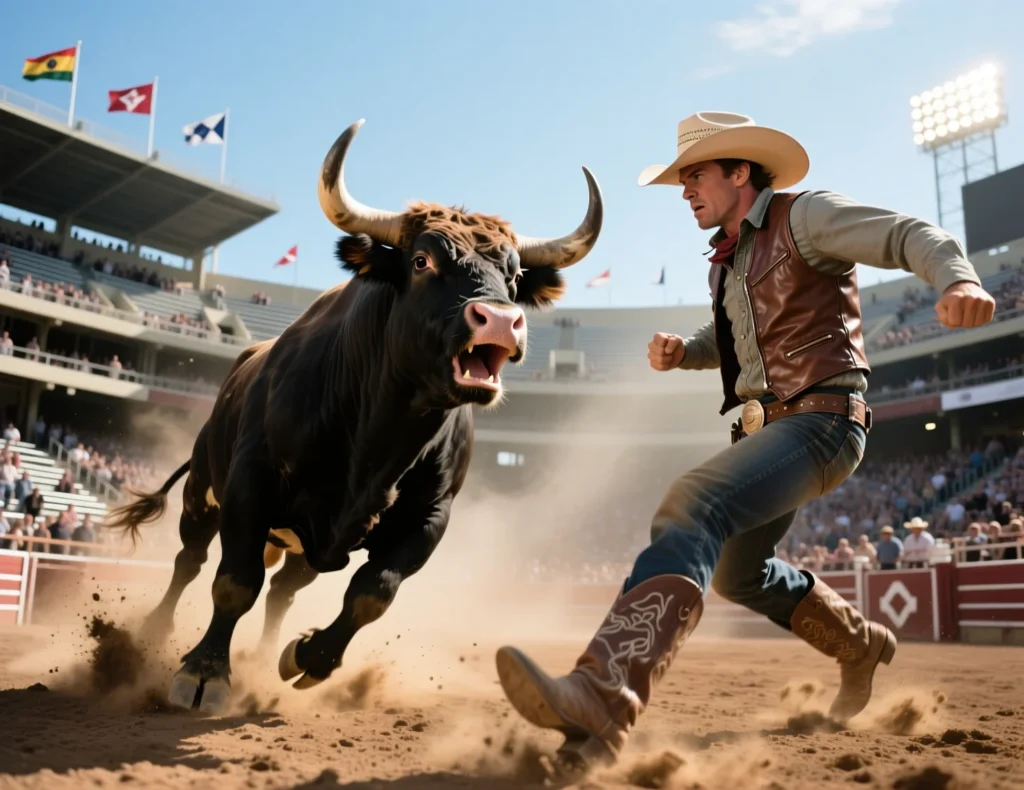
- Frustration: Small enclosures or a lack of natural outlets for their energy and hormones can increase frustration and aggression.
- Fear and threat perception: Bulls react aggressively to unfamiliar objects, sudden movement, or feeling cornered, often interpreting them as threats or challenges.
- Learned behavior: Bulls raised in confined spaces or used in bullfighting learn to view humans as a nuisance, promoting aggression.
Breeding & Conditioning
- Selective breeding: Some breeds, such as fighting bulls, are specifically bred for extreme aggression, strength, and excitement, which enhances these natural tendencies.
- Rodeo conditioning: The flank straps and messy environment at rodeo can trigger intense bucking as a reaction to pain and restraint.
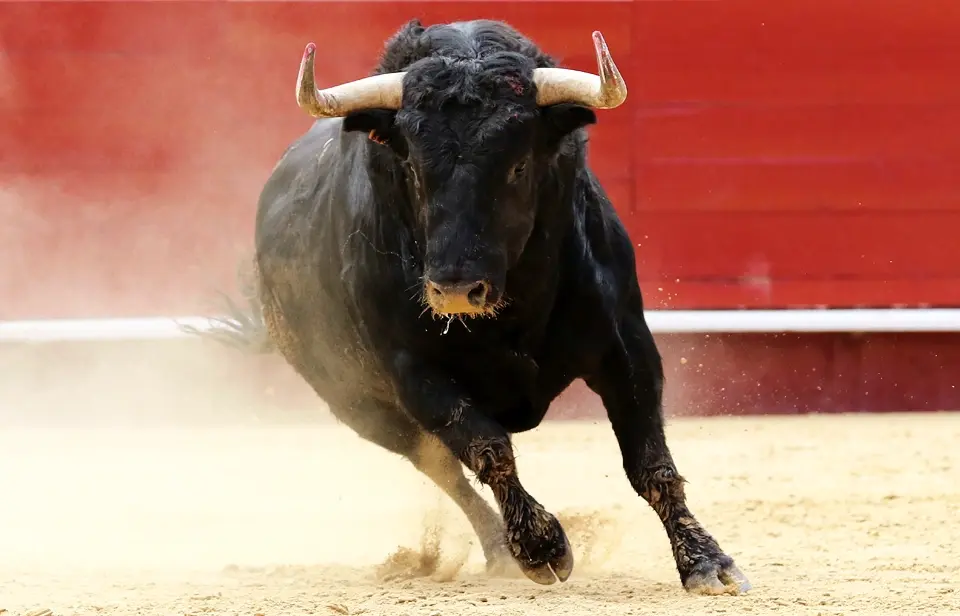
- Fighting bulls: Breeds like the Spanish Toro Bravo are specifically chosen for their natural fighting spirit and physical strength.
Common Misconceptions
- Red Color: Bulls are color blind and red. They charge at the movement of the matador’s cape, which they perceive as a threat.
- Constant anger: In a peaceful herd environment with plenty of space, many bulls are relatively calm and usually mind their own business unless provoked.
Key Factors Contributing to Bull Aggression
| Factor | Specific Element | Impact on Behavior |
|---|---|---|
| Genetic | Selective breeding (e.g., Spanish Fighting Bull) | Inherited predisposition for heightened aggression and charge response |
| Biological | High testosterone levels | Drives dominance, territoriality, and mating-related aggression |
| Environmental | Isolation rearing, overcrowding | Increases fear, prevents social learning, and raises stress |
| Learned | Negative experiences with handlers | Can associate humans with threat or pain, leading to defensive aggression. |
PBR Rules, Scoring, Penalties
Qualified rides of 8 seconds score 100 maximum (50 rider + 50 bull). Four former rider judges assess bull power, drop, kick, and degree of difficulty.
- Perfect bull: 50 pts (Man Hater: 49.5, 2024 record)
- Top ride: 98.75 (Leme/Woopaa)
- Penalties: Fouls, early dismounts, zero score
Teams format awards $100K MVP. Vets inspect pre/post-event.
Expert Insights and Case Studies

- Dr. Ed Pajor (U of Calgary): “85% of bulls show no fear in the swings; experience calms them down.” Temple Grandin notes that the handler’s position reduces the risk by 75%.
- Bodacious Case: Julio Moreno’s bull, hospitalized champions, retired to stud. Genetics prove: Offspring dominate PBR.
- Mason Lowe (2022): Deadly chest kick despite vest highlights the limits of blunt force.
Breeding for Bucking Excellence
Stock contractors are bred for drive, athleticism, and temperament. Bodacious (95% book-off rate, 42 consecutive) exemplifies the genetics that pass on explosive traits. Brahman power meets Angus power for elite performers.
Muscular problems affect 31% of bookers versus 18% of normal cattle, mirroring the human athlete’s attire.
Injury Stats and Safety Reality
Bull riding accounts for 19.4-58.4% of rodeo injuries, with a 5.06% risk per rider. Head trauma (27-54.3%) and limb injuries (52%) are the most common. 1 in 130 riders requires hospitalization.
The PBR mandates vests, helmets, bullfighters, and weights. Bull injury risk: 0.004% fatal.
| Injury Type | Rate | Source |
|---|---|---|
| Sprains/Strains | 15-35.3% | Multiple |
| Concussions | 10.6-15.3% | 1995-2014 |
| Fractures | 7.16-22.8% | Studies |
Event History and Techniques
Rodeo evolved from farm skills; PBR (1992) professionalized with $200M+ in prize money. Techniques: Choke isolation, flank strap, spur free riding.
Evolution of welfare: PRCA’s 60+ rules, on-site weigh-ins mandatory.
Frequently Asked Questions for Why Are Bulls So Aggressive?
Are bulls naturally aggressive?
No, territorial/defensive. 85% minimal fear properly handled. Their aggression is typically a situational response to threats, hormonal drives, or territorial intrusion.
Does the flank strap hurt?
Mild irritation only, self-releases. No genital contact.
What’s more dangerous: a bull or a cow?
Although bulls are generally more powerful and aggressive, cows are more likely to attack humans. This is largely due to their greater numbers in the fields and because people often underestimate the aggression of protective mothers with calves.
Why do some bulls buck harder?
Genetics + experience. Low serotonin lines bred selectively.
Why do bulls charge at red capes in bullfighting?
Bulls are color blind to red. They charge based on the movement of the cape, not its color. The red tradition helps hide blood stains.
Bull injury rate?
0.004% severe; secondary trauma main cause. In professional bull riding, injuries to the bulls occur in less than 1% of appearances.
What should I do if charged by a bull?
If a bull charges, don’t run in a straight line, as they are fast. Instead, try to move sideways or in a zigzag pattern to get out of their way, using obstacles like trees for cover, and throwing clothes to distract them if you can’t escape.
Do bulls enjoy riding?
No, bulls do not enjoy being ridden. Their vigorous leaning is a natural fear and discomfort response to perceived attacks and deliberate provocation, not a sign of enjoyment or a desire to compete.
Testosterone main cause?
No, serotonin/dopamine are primary regulators.
Breeding aggression?
Yes, bulls display significant breeding aggression, especially during the rut (mating season), being territorial, dominant, and prone to fighting rivals and challenging anything perceived as a threat, including the handler, due to hormones and the instinct to protect mates.
Bull Aggression and Safety
Bull aggression is a deep and complex interplay of nature and nurture. From shared genes with humans to the stark realities of centuries of selective breeding and modern injury statistics, aggressive bulls remain a powerful force. Understanding the why behind the charge is the first and most important step in fostering respect, ensuring safety, and navigating our enduring relationships with these powerful animals.