

PBR Bull Fighter Salary: How Much Do They Really Earn? PBR bullfighters (also known as rodeo clowns or protection athletes) are skilled athletes who risk their lives to protect bull riders, serving as the acting defense against bulls that weigh more than 1,500 pounds right after the ride. Key figures like Cody Webster, Lucas Teodoro, and Nathan Harp are celebrated for their courageous rescues in the arena.
Watch the video: How bullfighters sacrifice themselves to protect riders
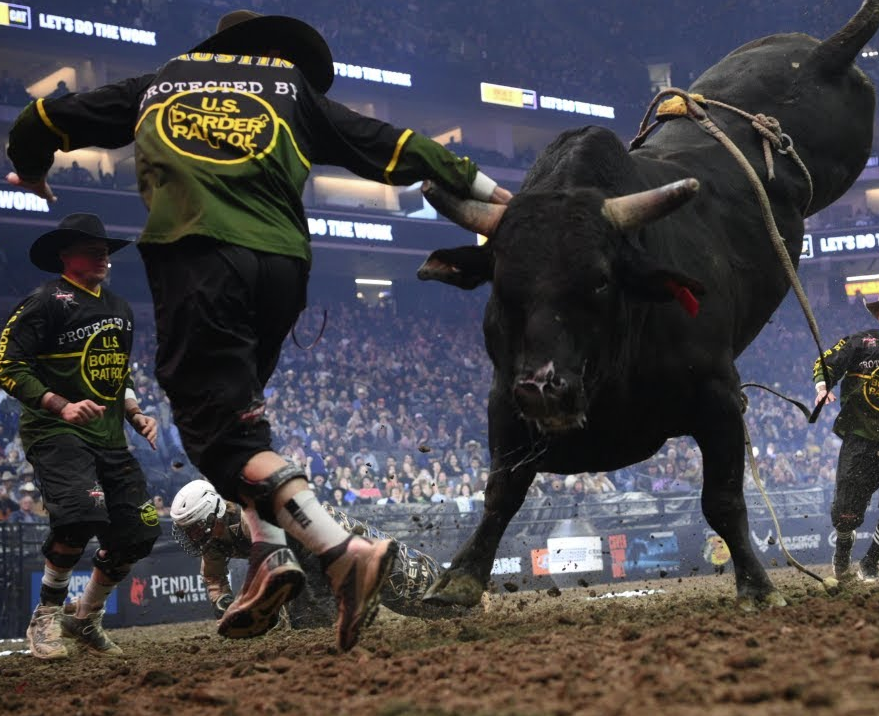
Bullfighters generally do not receive a traditional annual salary. Instead, they are paid per performance or event, with their total income depending heavily on their status, the scale of the tour, and outside sponsorships. Top PBR bullfighters can charge between $20,000 and $40,000 for each event or $50,000 to over $300,000+ per year, based on their experience and reputation.
Source: bullbalcony.com
Table of Contents
What Is a PBR Bull Fighter? Clearing Up the Biggest Misconception
Let’s clarify one thing that confuses most people about this job, because it affects how people think about the salary and respect for this profession.
A bullfighter is not a rodeo clown. These are two completely separate characters who have been confused for generations. Modern PBR bullfighters – often called “cowboy protection” – are highly trained professionals who step into harm’s way to distract a bull after a rider has bucked off or dismounted.
Source: mandanrodeo.com
Misconception: Fighter vs. Clown
A common misunderstanding is that PBR bullfighters are just comedy performers, or “rodeo clowns,” whose role is to entertain the audience during breaks. Although they have a shared history, they are different characters:
- PBR Bullfighter (Cowboy Protection): They are athletic, quick, and accurate, prioritizing the safety of athletes. They usually wear contemporary athletic jerseys, shorts, and protective equipment.
- Rodeo Clown/Barrel Man: This is a solo performer who shares jokes, does comedy acts, and uses a barrel to distract the bull during breaks in the action.
- Evolution: Although some rodeos still merge these roles, professional PBR events present them as two separate jobs.
Duties of a PBR Bull Fighter
Bullfighters use their “bull sense” and agility to keep riders safe:
- Distraction: They position themselves directly in front of the bull to divert its attention from the downed rider.
- Physical Intervention: In critical moments, they step in physically, occasionally using their bodies to lift the bull’s head and halt its forward position, aiding the rider’s escape.
- Debris Prevention: They make careful choices to avoid “debris” scenarios (where the rider might be tripped, stepped on, or trapped) from turning deadly.
- Safety Equipment: These competitors wear safety vests and cleats for better grip, as they do not use riding boots.
Every PBR Unleash The Beast event has three bull fighters working the arena simultaneously. They are the last line of protection for every rider who competes. Their skill level directly affects whether riders go home healthy.
Do They Use Red Capes?
No, contrary to popular belief and traditional Spanish bullfighting, PBR bullfighters do not use red caps.
- Motion Over Color: Bulls are redder than blind but are highly sensitive to movement.
- Bull “fighting”: They do not harm the bull. They use movement to draw the bull’s attention away from the rider.
Let’s see the comparison
| Feature | Modern PBR Bull Fighter | Traditional Rodeo Clown |
|---|---|---|
| Primary Goal | Protect the rider (Cowboy Protection) | Entertain the crowd |
| Attire | Athletic jerseys, shorts, cleats, vests | Baggy clothes, face paint |
| Danger Level | Extremely High (Primary risk) | Moderate (Secondary risk) |
| Action | Distraction, physical intervention | Comedy, barrelman |
How Much Do PBR BullFighters Get Paid? Full Salary Breakdown by Level
PBR bullfighter salaries work differently from bull riders’. Bull Riders only earn prize money when they complete a successful 8-second ride – they don’t earn anything for a buck-off. Bullfighters receive a guaranteed event fee for every event they work, regardless of the night’s outcome, plus performance bonuses on top. This makes earnings more predictable, although the maximum cap is lower than for a top bull rider.
Professional bullfighters in the PBR and the general rodeo circuit usually make between $20,000 and over $100,000 each year. Still, their payment system is quite different from that of the bull riders they protect.
Source: work.chron.com
Pay Structure and Rates
Unlike riders who compete for prize money, PBR bullfighters are contracted personnel who are paid per performance or event.
- Daily/Per Show Rates: Newcomers or local bullfighters can make between $200 and $500 for each performance, whereas top PBR bullfighters can earn from $1,000 to over $2,000 per show.
- Annual Income: Elite bullfighters participating in more than 50 events a year (which includes over 100 individual performances) can achieve annual incomes in the six figures.
- Freestyle Competitions: Some bullfighters take part in “freestyle bullfighting” competitions (like Ultimate Bullfighters) where they have the chance to win portions of prize pools exceeding $500,000 each year.
Comparative Data Analysis BullFighters and Bull Riders
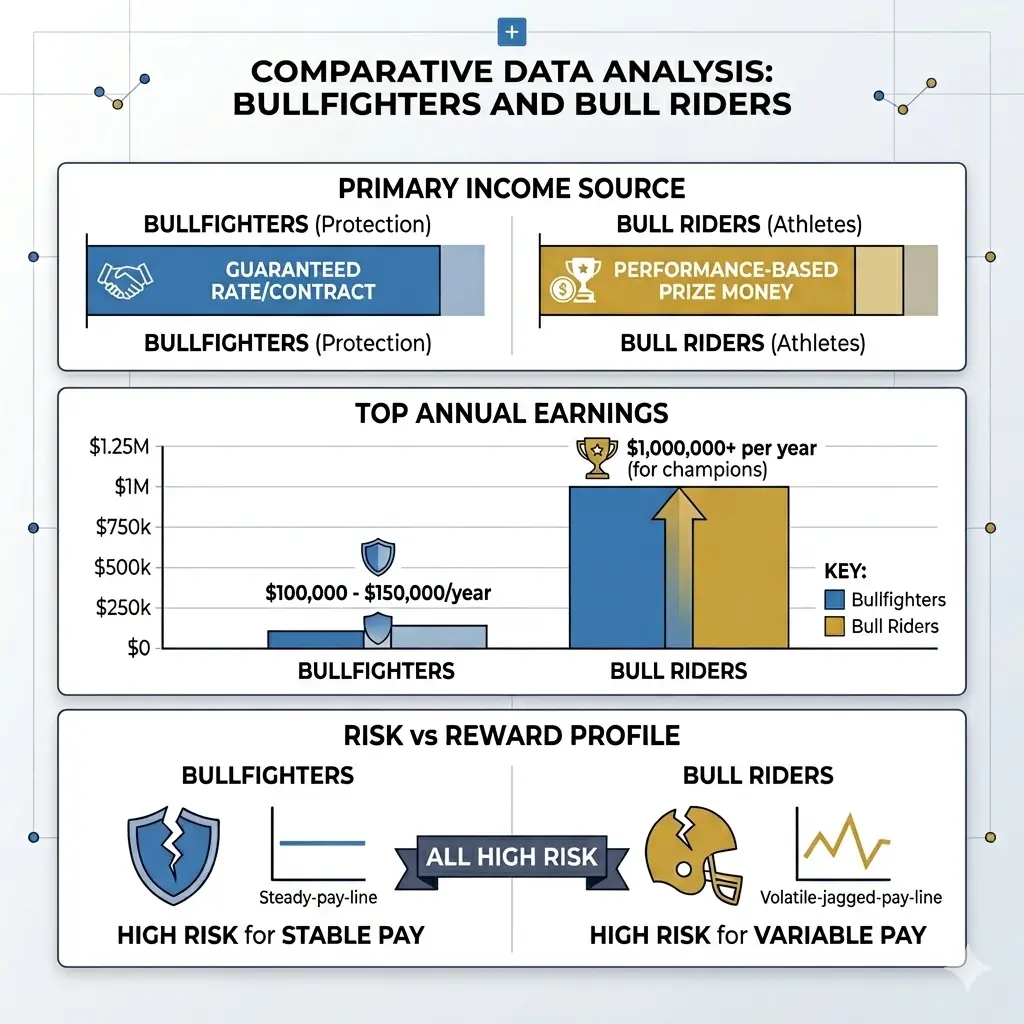
| Feature | Bullfighters (Protection) | Bull Riders (Athletes) |
|---|---|---|
| Primary Income | Guaranteed Day Rate/Contract | Prize Money (Performance-based) |
| Top Earnings | $100,000 – $150,000/year | $1,000,000+ per year (for champions) |
| Risk vs Reward | High risk for stable pay | High risk for variable pay |
The Bullfighter’s Career Path: From Local Rodeos to the PBR
Becoming a PBR bullfighter is a test of both skill and dedication.
- Local and Amateur Rodeos (Foundation): Most start here, earning $200 to $500 per event while building a reputation for reflexes and courage. Attending a specialized bullfighting school is a common first step.
- Minor Leagues (PRCA/Circuits): After proving themselves, fighters join sanctioned circuits. This stage offers more consistent bookings and annual earnings in the $25,000 to $40,000+ range, but requires certification in first aid and trauma response.
- PBR Invitational and Probation: Only a small percentage advance to the lower-level PBR tours. A 3-year probationary period is common, during which fighters are required to pass rigorous physical tests.
- PBR Premier Tour and Peak Earnings: Reaching the Unleash the Beast Series or the PBR Teams franchise represents the pinnacle. These fighters work 30+ events a year, make the most TV appearances, and have access to the highest pay scales. Peak earning years are typically between the ages of 30 and 45.
For example, the PBR world champion won a $1 million bonus, and the organization paid out more than $16 million in prize money in 2024 alone. Bullfighters, as essential support staff, do not have access to this prize structure.
How Much Do Professional Bull Fighters Make?
Rodeo bullfighters (also known as rodeo protection bullfighters) typically earn between $100 and $500 per event, with experienced professionals working 60 to 100 events a year and earning an average salary of around $30,000 to $100,000+. Top elite protection specialists, such as those at the National Finals Rodeo, earn more, while beginners start with less.
Compensation structures vary significantly depending on level, location, and specific role in the field:
Earnings by Performance
| Events | Earnings Per Performance | Details |
|---|---|---|
| Amateur & Junior Bullfighters | $100 to $300 | Entry-level bullfighters working smaller local events |
| PRCA/PBR | $500 to $1,200 | Established bullfighters |
| Major Events | $2,000+ | Premium events like the Wrangler National Finals Rodeo (NFR) / elite Professional Bull Riders (PBR) |
Seasonal Events: Peak earnings occur in the summer and on weekends in the winter/fall, when more events are scheduled.
Source: Work.chron.com
Difference Between Bullfighters and Bull Riders
“Bullfighter” refers to the security personnel who protect the riders, not the people who ride the bulls (known as bull riders).
- Bull Riders: Top professional bull riders (PBR) can earn millions, with the highest-earning ones reaching over $500,000 of the season in 2026.
- Bullfighters: These professionals are paid by event promoters or contractors for their performances.
The Highest-Paid Bull Fighters in PBR History
Bullfighters in the Professional Bull Riders (PBR), known as protection athletes, are paid professionals with fixed salaries for each event, plus they receive endorsements and bonuses.
Based on career longevity and elite status, here are the top bullfighting earners in PBR history:
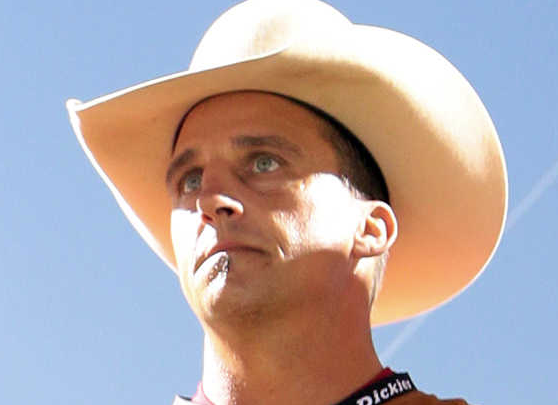
- Cody Webster: Considered the leading figure in modern western sports, he has achieved the highest earning potential among current bullfighters through significant brand sponsorships and elite selections at both the PBR World Finals and the PRCA’s National Finals Rodeo (NFR).
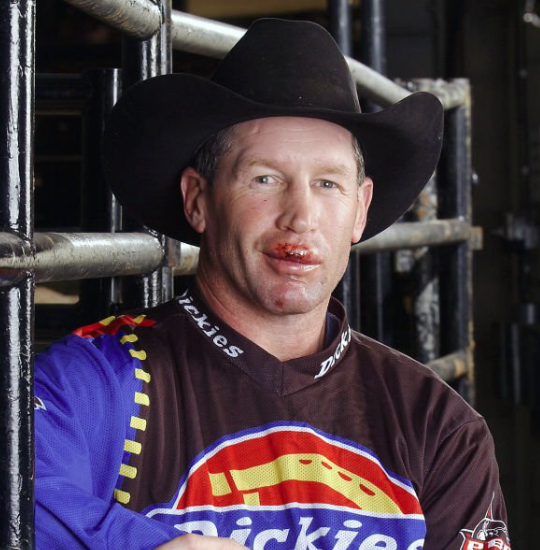
- Frank Newsome: Known as “The Fearless One,” Newsome’s remarkable career as a top earner established him as a leading figure before he became the PBR Bullfighting Director, ensuring the safety of riders at the highest levels of the sport.
- Source: Pbr.com
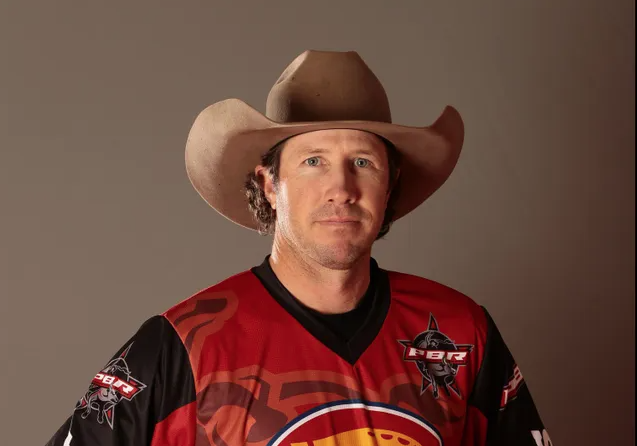
- Rob Smets: Referred to as “The Kamikaze,” Smets is a ProRodeo Hall of Famer who supported the PBR’s security teams through 9 World Finals, creating a historic basis for high-level earnings during a time of significant growth in the sport.
- Shorty Gorham: After more than ten years as a key player on the PBR’s Unleash the Beast Tour, Gorham enjoyed substantial earnings due to his consistent top placements, media visibility, and exclusive protection contracts.
How Much Do Bull Fighters Make at the NFR?
Professional rodeo bullfighters do not compete for the multi-million dollar prize at the Wrangler National Finals Rodeo (NFR); instead, they are hired staff who usually earn a set base salary of $1,500 to $2,500+ per performance. Throughout the 10th-night event, an elite NFR bullfighter can make about $15,000 to $25,000+ in total base salary, much of which is supported by individual sponsorships.
- Pay Structure: At major events like the NFR, bullfighters usually receive a professional fee for each performance, unlike those competing for a purse of over $13.5 million (as of 2025).
- Income Range: Lower-level rodeos might pay between $500 and $1,000 per performance, but NFR-level bullfighters are the top professionals, earning some of the highest fees in the field.
- Incentives: Their main job is to protect and secure, not to compete for prize money; their earnings do not increase based on individual performances or scores, unlike riders.
- Compensation Comparison: Some entertainers or clowns can make over $2,000 per show at big events, but they have a different role than the protection bullfighters in the arena.
| NFR Role | Per Night Fee | 10-Night Total | Bonus Potential |
|---|---|---|---|
| Head Bull Fighter | $2,000 – $2,500 | $20,000 – $25,000 | $5,000 – $15,000 |
| Second Bull Fighter | $1,500 – $2,000 | $15,000 – $20,000 | $3,000 – $10,000 |
| Third Bull Fighter | $1,200 – $1,500 | $12,000 – $15,000 | $2,000 – $7,000 |
The NFR runs for 10 consecutive nights each December at the Thomas & Mack Center in Las Vegas. In 2024, it drew more than 170,000 attendees over those 10 nights, with an additional 2+ million viewers on the CBS Sports Network.
Important Note: NFR payouts for riders have increased for five consecutive years, reaching more than $13.5 million in 2025.
The Real Costs of Being a Bullfighter
Bullfighters make a unique living, frequently dealing with high costs for special gear, travel, and medical care.
Equipment and Gear Costs
Bullfighter equipment is highly durable and specifically designed to absorb shock and protect against the horn of a bull.
A comprehensive bullfighter setup includes:
- Protective Vest: Created by Cody Lambert, the Director of PBR Livestock, a high-quality protective vest can cost several hundred dollars.
- Cleats and Baggy Clothes: Bullfighters require good athletic turf cleats for quick movement, along with sturdy, loose jeans and shirts that tear easily when pulled.
- Accessories: Essential gear includes mouthguards, protective cups, and rosin for better grip.
- Total Beginner Setup: A complete gear package for a professional bullfighter ranges from $400 to $600, based on the brand and quality.
The “Hidden” Costs: Travel and Healthcare
The hidden cost of being a bullfighter relates to overhead and physical injuries:
- Travel & Lodging: Bullfighters must arrange their own travel and accommodation while on the PBR circuits. Traveling for 40 to 50 weeks each year – whether driving across the U.S. or flying from state to state – can cost between $20,000 and $35,000 for fuel, flights, and food each year.
- Health Care and Insurance: Bullfighting is a tough and risky job. Because of the high chance of concussions, broken bones, and joint injuries, special health and injury insurance is required, but it can be very costly. Luckily, groups like the Western Sports Foundation offer financial help, neurological treatment, and mental health support after an injury.
At the end of the day, a bullfighter in the PBR earns their pay through hard work. The expenses for special gear, extensive travel arrangements, and medical safety measures mean these athletes have to fight for every dollar they make on the dirt.
Frequently Asked Questions About PBR PBR Bull Fighter Salary
These are the most common questions we receive about bullfighter pay, answered directly from PBR records, PRCA surveys, and our own experience hosting professional rodeos at the Omak Stampede.
Who is the highest-paid bullfighter of all time?
While current elite fighters can earn upwards of $200,000, entertainment legend Flint Rasmussen is widely considered one of the highest paid, earning $300,000 annually at his peak through PBR work and massive sponsorship deals.
Do PBR bullfighters get benefits like health insurance?
Generally, No. Because they are considered independent contractors instead of employees, they need to have their own medical coverage. They are responsible for their own insurance, retirement planning, and travel expenses. Full-time contractors with PBR teams may have access to some benefits.
What’s the career longevity for a bullfighter?
This can be longer than for riders. If they avoid career-ending injuries, top fighters can perform at a high level well into their mid-40s. After retirement, many transition into coaching, broadcasting, or operating riding schools.
How much do PBR bullfighters get paid per event?
PBR allows top bullfighters to make between $6,000 and $12,000 each event weekend, along with guaranteed fees and performance bonuses.
Regional PRCA bullfighters can earn from $1,500 to $5,000 per event.
Local and amateur events offer payments ranging from $500 to $2,000.
Unlike bull riders, who receive no payment for failed rides, bullfighters are compensated for their entire event fee no matter the outcome of the night.
How much do professional bullfighters make per year?
Specialized “bullfighters” (protection players) earn an average of ($500) to ($1,000) per performance.
Mid-career bullfighters make between $50,000 and $160,000 each year from event fees and sponsorships.
Top UTB fighters can earn over $150,000 to $300,000.
New fighters usually earn $15,000 to $45,000 during their first two years.
Generally, their annual earnings are higher than a bull rider’s prize money since bullfighters get a guaranteed fee for events.
Are bull fighters paid more than bull riders?
No, top bull riders make a lot more money than rodeo bullfighters. This is because bullfighters in the PBR are paid through fees rather than just prize winnings.
At the elite level, the best bull riders earn more, with a world champion making $1M to $2M in one season, a figure that no bullfighter can match.
The key difference is between stability and potential earnings.
Is bull fighting a full‑time job or a side hustle?
For top-tier professional bull riders, it is a full‑time job, involving travel, training, sponsorships, and prize money. However, many lower‑ranked or up‑and‑coming riders work other jobs (e.g., construction, ranching) to fund their careers, making it a side hustle at those levels. Overall, at the elite PBR level, it’s a full‑time profession.
How long is a bullfighter’s career?
Bullfighters usually enjoy longer careers than bull riders because the injuries that can suddenly end a rider’s career, like head injuries and serious spinal or neck injuries, are less frequent for bullfighters. Many top bullfighters continue to compete into their late 30s and early 40s. On average, a professional career in the PRCA lasts between 10 and 15 years.
How Much Do Bull Fighters Make In Pbr?
Bull fighters make in pbr an estimated ($50,000) to ($95,000+) per year. But their exact earning is not publicly published by the PBR, as per event or seasonal contract, with top elite bull fighters earning increase more than ($100,000) annually.
Bull Fighters Train For Years
Bullfighters are among the most overlooked athletes in professional rodeo. They spend years training, work nightly, take significant physical risks, and are crucial for the safety of every rider on a bull. The top bullfighters are exceptional athletes who deserve much more recognition than they typically get from those outside the sport.
Their salaries range from $50,000 for a developing professional to over $300,000 for an elite UTB fighter, showcasing a career that truly values longevity and excellence. Unlike bull riding, where one championship season can lead to life-changing earnings, bullfighting rewards athletes who consistently show up, improve each season, and build a reputation and sponsorship portfolio through years of hard work and discipline.
At the Omak Stampede, we have witnessed bullfighters demonstrate their skills and calm professionalism, which always impresses us. These athletes stand between our riders and serious injuries every night. We hold deep respect for their work and the quality with which they perform it.
About the Author: This article was written by the Omak Stampede Editorial Team, with contributions from rodeo industry professionals and PRCA-affiliated individuals who have partnered with professional bull fighters at sanctioned events for over twenty years.
The Omak Stampede has featured professional bull fighting in its rodeo program and works directly with PRCA officials and contracted athletes at every show.
Sources: PBR Official Event Records and Contractor Guidelines (pbr.com) | PRCA Contractor Surveys 2023-2024 (prorodeo.com) | Rodeo News Industry Reports — Bull Fighter Pay Survey | PBR World Finals Official Pay Structures | World Bull Fighting Championship Prize Records (worldbullfighting.com) | NFR Official Results and Attendance Data (nfrexperience.com)